
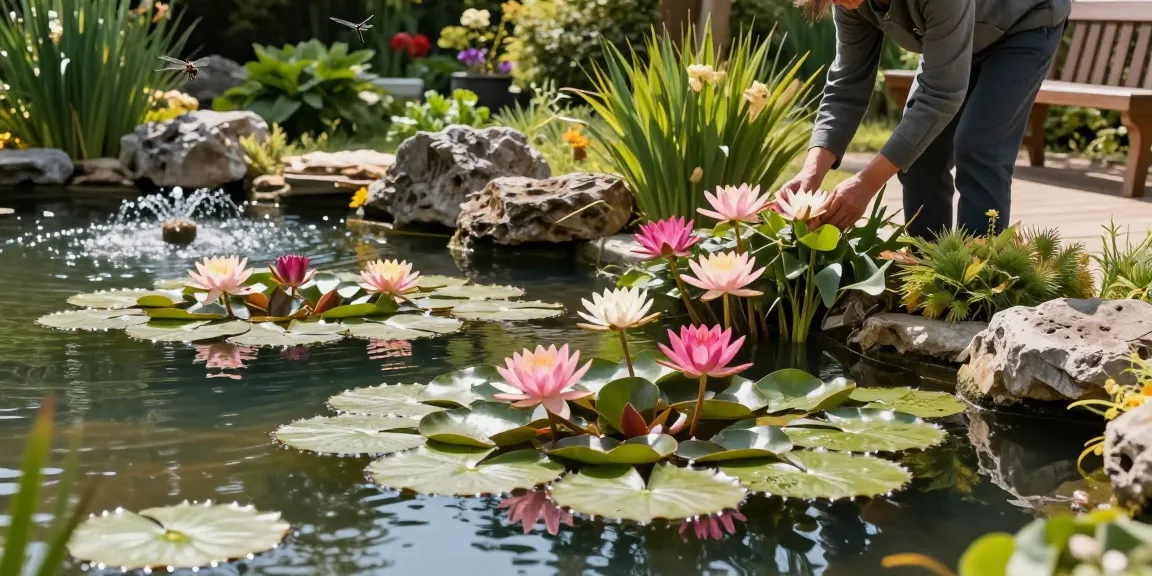
Understanding Water Lilies: Types and Characteristics
Water lilies are stunning aquatic plants that captivate garden enthusiasts and pond owners alike. Known for their large, vibrant blooms and distinctive floating leaves, these plants enhance the beauty of any water feature. Not only do they add aesthetic value, but they also play a vital role in maintaining pond ecosystems. When exploring options, Water Lilies come in a variety of forms, each with unique characteristics and requirements.
What Are Water Lilies?
Water lilies (Nymphaea) are perennial plants that thrive in calm waters. They belong to the family Nymphaeaceae and are characterized by their round leaves that float on the surface of the water and their beautiful flowers that rise above the waterline. These plants are native to various parts of the world, with species adapted to different climates and growing conditions. Water lilies can vary significantly in size, color, and blooming patterns, making them a versatile choice for decorative ponds and water gardens.
Common Varieties of Water Lilies
There are several popular varieties of water lilies that are sought after for their beauty and ease of care. Some common types include:
- Hardy Water Lilies: These varieties can withstand colder temperatures and bloom throughout the summer. Examples include ‘Marliac’ and ‘Camille’ which showcase a range of colors from white to deep pink.
- Tropical Water Lilies: These prefer warmer climates and typically produce larger flowers and leaves. Varieties such as ‘Blue Hawaii’ and ‘Viviana’ are known for their striking hues and fragrance.
- Dwarf Water Lilies: Perfect for smaller ponds, these varieties like ‘Pygmy Sunset’ are compact yet beautiful, making them a popular choice for container gardening.
Unique Features of Each Type
Each type of water lily brings its own unique attributes. Hardy water lilies possess thick leaves and robust flowers, while tropical varieties often feature larger blooms that are more vibrant and fragrant. Dwarf varieties are characterized by their small stature but can produce numerous flowers, adding significant visual interest to smaller spaces. Understanding these differences can help gardeners choose the right water lily for their specific conditions.
Cultivating Water Lilies: Essential Care Tips
To enjoy the full beauty of water lilies, proper cultivation and care practices are essential. They require specific conditions to thrive, and understanding their needs can make the difference between a flourishing pond plant and a struggling one.
Ideal Growing Conditions for Water Lilies
Water lilies thrive in full sun, requiring at least six hours of sunlight a day. The ideal water temperature for growth ranges between 70°F to 90°F (21°C to 32°C). Additionally, they prefer still or slow-moving water in ponds or water gardens. It’s crucial to ensure that water lilies are planted in nutrient-rich soil and that they are in pots or containers to avoid excessive root spread.
Maintenance and Care Best Practices
Routine maintenance for water lilies includes regular fertilization, pruning of dead leaves, and ensuring the water level remains consistent. Using a slow-release aquatic fertilizer can promote healthy growth and blooming. It’s also beneficial to remove any debris or decaying plant matter from the water, which could harm the plants and disrupt the pond’s ecosystem.
Common Mistakes When Growing Water Lilies
One of the most common mistakes is planting water lilies too deeply or not providing enough sunlight. Over-fertilization can also lead to algae blooms, which can suffocate the plants. Understanding their specific needs and adjusting care practices accordingly can prevent these issues.
Water Lilies in Landscape Design: Aesthetic and Functional Benefits
Incorporating water lilies into landscape design offers both aesthetic appeal and ecological benefits. These plants not only beautify ponds but also support local wildlife, providing habitat and food for various aquatic animals.
Integrating Water Lilies in Garden Designs
Water lilies can be integrated into garden designs in several ways. Placing them in a central location of a pond creates a stunning focal point. Additionally, surrounding them with rocks or other aquatic plants can enhance their visual appeal and create a more natural environment. When designing, consider color schemes and the height of plants to achieve a balanced look.
Environmental Benefits of Water Lilies
Water lilies contribute to the pond ecosystem by providing shade, which helps regulate water temperature and prevents excessive algae growth. They also absorb nutrients from the water, improving its quality and supporting the health of fish and other aquatic organisms. Their large leaves create hiding spots for fish and other wildlife, boosting biodiversity in the pond.
Case Studies: Successful Water Lily Installations
Numerous gardens and public parks have successfully incorporated water lilies into their designs. For instance, the Kew Gardens in London features extensive water lily displays, showcasing various species in beautifully landscaped ponds. These installations not only attract visitors but also demonstrate the ecological importance of water lilies in urban landscapes.
Water Lilies: Health Benefits and Uses
Apart from their aesthetic and ecological value, water lilies have several health benefits and practical uses that are gaining recognition.
Nutritional Value and Culinary Uses
Water lily tubers are edible and highly nutritious, rich in vitamins and minerals. Traditionally used in various cuisines, these tubers can be roasted, boiled, or eaten raw in salads. Moreover, the flowers can be steeped to make herbal teas, providing not only flavor but also soothing properties.
Medicinal Properties of Water Lily Extracts
Water lilies are noted for their medicinal properties in traditional medicine. Extracts from the flowers and leaves have been used to treat inflammation and skin conditions. Some studies suggest that they may have antioxidant properties, which could benefit overall health.
Innovative Uses in Modern Wellness Practices
In modern wellness, water lilies are being used in therapies such as aromatherapy, where their scent is believed to offer calming effects. Additionally, their extracts are being incorporated into skincare products for their hydrating and soothing benefits, making them a valuable asset in natural beauty routines.
Future Trends in Water Lily Cultivation and Research
The future of water lily cultivation looks promising, with advancements in technology and sustainability practices paving the way for innovative applications in gardening and research.
Emerging Technologies in Aquatic Plant Care
Technological advancements are revolutionizing how we care for aquatic plants like water lilies. Smart irrigation systems and underwater sensors can help monitor water quality and plant health, ensuring optimal growth conditions.
Sustainability and Water Lilies in Aquaponics
Water lilies play a significant role in aquaponics, a sustainable farming method that combines aquaculture and hydroponics. By integrating water lilies into these systems, growers can enhance water quality while benefiting from the plants’ natural filtration capabilities.
Predictions for Water Lilies in 2026 and Beyond
As environmental awareness increases, the demand for water lilies is expected to rise. By 2026, we might see more innovative breeding programs focused on developing hardier, more resilient varieties that can thrive in diverse climates while maintaining their beauty and ecological benefits.
What are the best conditions for growing water lilies?
The best conditions for growing water lilies include full sun exposure, calm water, and a temperature range of 70°F to 90°F. Additionally, providing nutrient-rich soil and maintaining consistent water levels is essential for optimal growth.
How can water lilies improve my pond’s ecosystem?
Water lilies improve pond ecosystems by offering shade, absorbing excess nutrients, and serving as habitat for wildlife. They help maintain water quality and prevent algae overgrowth, benefiting the overall health of the ecosystem.
Are there any pests that affect water lilies?
While water lilies are generally resilient, they can be affected by pests such as aphids and snails. Regular monitoring and natural pest control methods can mitigate these issues, ensuring healthy plant growth.
Can water lilies thrive in limited sunlight?
Water lilies typically require full sun for optimal growth. However, some varieties can tolerate partial shade. It’s essential to choose the right species if sunlight is limited to ensure they can flourish.
How do I propagate water lilies effectively?
Water lilies can be propagated by dividing the rhizomes in early spring. This method involves carefully separating the tubers and replanting them in separate pots with appropriate soil, ensuring they are at the correct depth for growth.