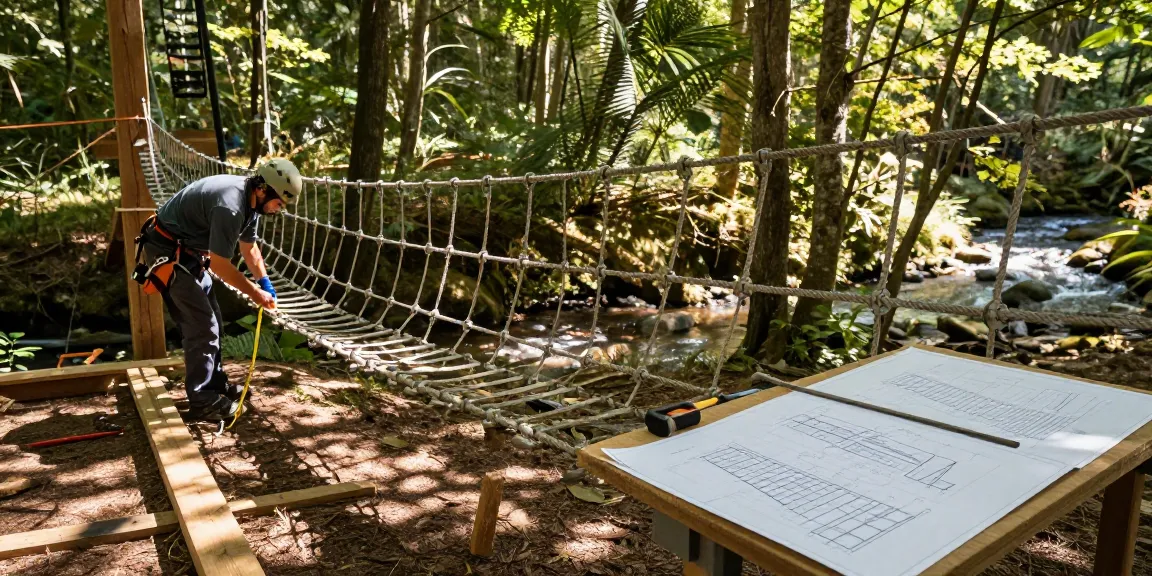
Understanding Rope Bridge Design Basics
Rope bridges hold a significant place in both history and modern engineering. These structures not only serve practical purposes, providing essential crossings over various terrains, but they also evoke a sense of adventure and ingenuity. When exploring options, Rope Bridge design encompasses a myriad of styles and functionalities suited for diverse environments. Understanding the fundamentals of rope bridge design is essential for anyone considering constructing one, whether for recreational, aesthetic, or utilitarian purposes.
What is a Rope Bridge?
A rope bridge is a suspension bridge that employs ropes or cables as its primary support structure. These bridges have been used for centuries, especially in mountainous and forested regions, where building a traditional bridge may be impractical due to challenging terrain. Rope bridges can vary significantly in design, including single-cable configurations and more complex multi-cable systems, making them versatile for various applications.
Types of Rope Bridges: An Overview
There are several types of rope bridges, each designed for specific circumstances:
- Suspended Rope Bridges: These are the most common type, featuring a deck that hangs below the supporting cables. They are ideal for crossing rivers or deep ravines.
- Fixed-Beam Rope Bridges: Unlike suspended versions, these bridges have a rigid structure supported by cables and are often used in areas with minimal movement.
- Log Rope Bridges: Made using logs and ropes, these simple designs are often found in rural or wooded areas, providing an economic solution for crossing small streams or ditches.
Key Materials Used in Rope Bridge Construction
The materials chosen for rope bridge construction are vital to ensure safety and longevity. Commonly used materials include:
- High-Tensile Rope: This is critical for the structural integrity of the bridge, with synthetic materials like nylon or polyester often preferred for their strength and durability.
- Wood: Timber is frequently used for the decking and support structures, treated to resist weathering and decay.
- Metal Components: Hardware such as hooks, bolts, and clamps are typically made from stainless steel to prevent rust and corrosion, ensuring a long-lasting structure.
Step-by-Step Guide to Designing a Rope Bridge
Designing a rope bridge requires careful planning and consideration of various factors to create a structure that is both safe and functional. Below is a comprehensive guide to help you through the process.
Planning Your Rope Bridge Layout
Your first step should be to create a detailed layout of your bridge. Consider the following:
- Span: Determine the distance you need to cover and calculate the necessary materials.
- Width: Decide how wide your bridge needs to be based on its intended use, such as foot traffic or heavier loads.
- Angle: An appropriate angle in your design will help manage tension and load distribution.
Choosing Suitable Locations for Your Bridge
The location is crucial to the success of your rope bridge. Look for:
- Stable Ground: Ensure the anchor points for your bridge are on stable ground to avoid shifting during use.
- Accessibility: Consider how easy it is to access the area for construction and maintenance.
- Environmental Impact: Assess the ecological impact on the surrounding area and ensure your design minimally disrupts the environment.
Essential Tools and Equipment for Building
To construct a rope bridge, you'll need various tools and equipment, including:
- Cable Cutters: For cutting ropes or cables to the desired length.
- Drills: Used to create holes for anchoring and securing the bridge.
- Levels: For ensuring that your structure is aligned properly.
- Safety Gear: Harnesses, helmets, and gloves to protect workers during construction.
Common Challenges in Rope Bridge Design and Construction
While constructing a rope bridge can be rewarding, it also presents several challenges that need to be addressed effectively.
Addressing Safety Concerns
Safety should always be a priority when designing and constructing a rope bridge. Some vital considerations include:
- Weight Limits: Establish clear weight limits for the bridge to prevent overloading and potential collapse.
- Regular Inspections: Implement a routine for inspecting your bridge for wear and tear, particularly after severe weather events.
- Emergency Procedures: Ensure that users are aware of what to do in case of an emergency, including clear signage.
Weather and Environmental Considerations
Weather can significantly impact the integrity of a rope bridge. Factors to consider include:
- Wind Resistance: Design your bridge to withstand high winds, especially if located in open areas.
- Rain and Moisture: Use materials that are resistant to water damage and consider drainage solutions to prevent flooding.
- Temperature Variations: Understand how temperature changes can affect materials, particularly expansion in metal components.
Cost Factors and Budgeting Tips
Building a rope bridge requires careful budgeting. Consider the following:
- Materials Costs: Research the costs of high-quality materials, which might be an initial investment but will save on repairs later.
- Labour Costs: Factor in whether you will be hiring professionals or doing it yourself, as this will greatly impact your budget.
- Maintenance Funds: Set aside a portion of your budget for future maintenance, which is crucial for the longevity of your bridge.
Innovative Techniques for Modern Rope Bridge Design
As technology advances, so do the methods and materials used in rope bridge design. Here are some innovative approaches worth considering:
Integrating Sustainability in Bridge Building
Today, there is a growing emphasis on sustainable building practices. Incorporating eco-friendly materials and reducing waste during construction can significantly lower your environmental footprint.
Smart Bridge Technology and Materials
Utilising smart sensors can enhance safety by providing real-time data on the structural integrity of the bridge, allowing for timely maintenance and repairs.
Future Trends in Rope Bridge Design for 2026
Looking ahead, future designs may focus on renewable materials and enhanced automated solutions for construction and maintenance, fostering a more sustainable approach to bridge building.
Real-World Examples of Successful Rope Bridge Projects
Examining successful rope bridge projects can provide valuable insights into effective design and construction methods.
Case Study: The Most Iconic Rope Bridges
One of the most famous examples is the Capilano Suspension Bridge in Canada, which showcases innovative design and offers breathtaking views. Its design incorporates safety measures and attracts countless visitors annually.
Community Projects: Collaborative Rope Bridge Builds
Community-driven projects often foster a sense of ownership and responsibility. For instance, many local groups have successfully created rope bridges that connect walking paths, enhancing accessibility for residents.
Learning from Failures: What Not to Do in Design
Taking lessons from unsuccessful projects is equally important. Understanding what went wrong—such as inadequate weight assessments or faulty materials—can help guide future designs and prevent similar issues.
Common Questions
How do I build a rope bridge? Building a rope bridge involves careful planning, choosing suitable materials, and ensuring safety protocols are in place throughout the process.
What are the different types of rope bridges? Rope bridges vary from suspended types to log bridges, each designed for specific environments and uses.
How much does a rope bridge cost? Costs can vary widely depending on size, materials, and location, but a well-planned budget is essential for a successful project.
What is the simplest bridge design? The simplest rope bridge design often features a single-cable suspension layout, making it easier to construct and maintain.