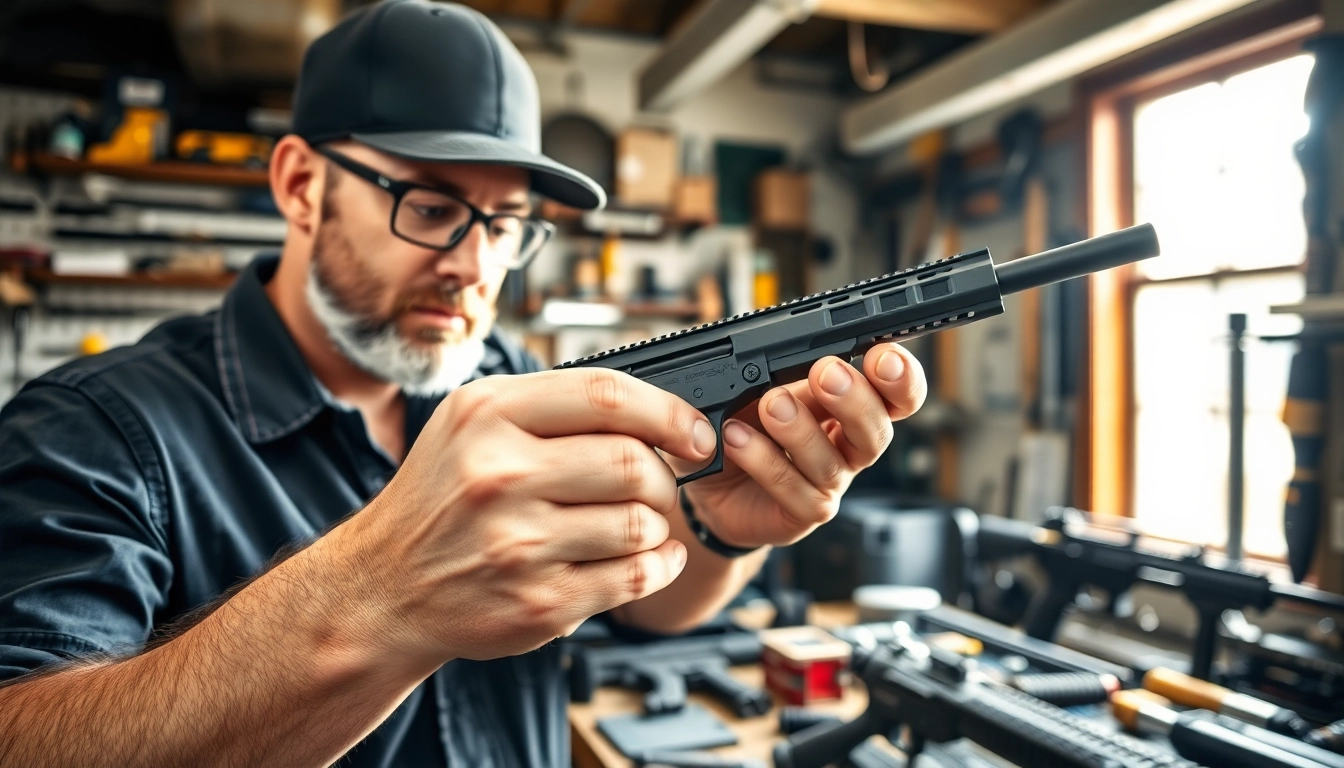
Introduction to Forced Reset Trigger
The world of shooting sports is constantly evolving, with innovative technologies designed to enhance performance and efficiency. One of the most intriguing advancements in recent years is the Forced reset trigger. This mechanism fundamentally alters how a shooter interacts with their firearm, enabling faster firing while maintaining compliance with existing firearm regulations. Understanding its mechanics, benefits, and implications can significantly enhance a shooter's experience, whether for competition, tactical situations, or recreational shooting.
Definition and Purpose
A Forced reset trigger (FRT) is a specialized trigger mechanism that allows for rapid fire without fully resetting the trigger after each shot. Unlike traditional triggers, which require the shooter to release and pull the trigger again after each round, the FRT uses a unique design that automatically returns the trigger to the firing position after each shot. This allows shooters to maintain a consistent firing cadence, enhancing their speed and performance during shooting activities.
How Forced Reset Trigger Works
The FRT operates through a mechanical system that interacts with the firearm's cycling action. When a round is fired, the energy generated is used not just to cycle the action of the firearm but also to mechanically push the trigger forward into the reset position. This process occurs almost instantaneously, allowing the shooter to squeeze off another shot without any significant delay. This design allows FRTs to avoid classification as automatic fire mechanisms under current regulations, as the shooter must still pull the trigger to fire each shot.
Legal Considerations
With the evolving landscape of firearm legislation in various jurisdictions, understanding the legal status of forced reset triggers is crucial for responsible ownership. As of now, forced reset triggers are generally legal under federal law, as they do not classify as fully automatic firearms. However, individual states may impose their own restrictions or outright bans on FRTs. It is imperative for potential buyers to familiarize themselves with their specific state regulations regarding the purchase, possession, and usage of these triggers.
Benefits of Forced Reset Trigger
The advantages of incorporating a forced reset trigger into a shooter's arsenal extend beyond mere functionality. Here's a closer look at how these triggers can enhance shooting experiences:
Enhanced Shooting Speed
One of the primary benefits of a forced reset trigger is the significant increase in shooting speed. By eliminating the need for a complete trigger reset after each shot, the shooter can fire at a much quicker pace. This feature is invaluable in both competitive shooting and tactical scenarios where response times can be critical.
Improved Tactical Performance
In tactical applications, speed is often equated with success. The forced reset trigger contributes to improved tactical performance due to its ability to facilitate rapid follow-up shots. This can mean the difference between success and failure in high-pressure situations, such as competitive shooting matches or self-defense scenarios. The FRT also allows for more controlled and accurate shooting since the shooter can maintain focus on their target without the distraction of resetting the trigger.
Compatibility with Firearms
Forced reset triggers are designed to be compatible with various firearm models, including AR-15 platforms and others. This compatibility means shooters can easily upgrade their existing firearms without extensive modifications. When selecting an FRT, buyers should ensure it is well-suited for their specific firearm type to enhance performance effectively.
Implementation of Forced Reset Trigger
Integrating a forced reset trigger into your firearm involves several critical steps. From choosing the right model to ensuring safe installation, each phase requires careful consideration.
Choosing the Right Trigger
When selecting a forced reset trigger, various factors come into play, including the specific make and model of your firearm, your intended use (competitive shooting, home defense, etc.), and personal shooting style. Comprehensive research is crucial. Review product specifications, user reviews, and installation guidelines to identify a model that aligns with your needs and preferences.
Installation Process Steps
Installing a forced reset trigger may be straightforward for some shooters, but it requires careful execution. Here’s a general outline of the installation steps:
- Gather Required Tools: You'll typically need screwdrivers, pliers, and possibly a specialized trigger tool.
- Unload Your Firearm: Safety is paramount. Ensure your weapon is unloaded before performing any modifications.
- Remove the Stock Trigger: Carefully disassemble the lower receiver to take out the existing trigger.
- Install the Forced Reset Trigger: Follow the manufacturer's instructions to insert the forced reset trigger securely.
- Reassemble the Firearm: Put the firearm back together, ensuring all components are properly aligned.
- Conduct Safety Checks: Before firing, perform function checks to ensure the trigger operates as intended.
Safety Best Practices
Safety must always be the top priority when handling firearms and performing modifications. Here are essential safety practices to follow:
- Always keep the firearm pointed in a safe direction.
- Ensure complete awareness of your surroundings during installation and testing.
- Follow all manufacturer’s recommendations and guidelines to avoid malfunctions.
- If uncertain, seek help from a qualified gunsmith.
Comparing Forced Reset Trigger and Other Triggers
Understanding how forced reset triggers compare to traditional and other specialized triggers is vital for informed decision-making.
Forced Reset vs Binary Trigger
Both forced reset triggers and binary triggers aim to enhance firing speed but operate through different mechanisms. While a forced reset trigger requires a single pull for each round fired (mechanically resetting after each shot), a binary trigger allows the shooter to fire a round on both the pull and release of the trigger. This distinction may appeal to different shooter preferences based on whether controlled speed or rapid-fire functionality is prioritized.
Performance Differences
When evaluating performance, forced reset triggers generally provide smoother and quicker response times compared to standard triggers. In contrast, binary triggers can result in a higher rate of fire due to the ability to fire on trigger release. Shooters must consider their specific needs and the types of scenarios in which they plan to engage their firearms to determine which mechanism best suits their shooting style.
Use Cases in Shooting Sports
In competitive shooting environments, the choice between forced reset triggers and other alternatives can significantly affect outcomes. While many formal competitions may restrict the use of binary triggers due to their rapid-fire capability, forced reset triggers often remain an acceptable choice, enhancing performance while adhering to regulation guidelines. Understanding these use case distinctions can inform better equipment choices for avid participants in shooting sports.
FAQs about Forced Reset Trigger
Is a forced reset trigger legal to own?
Yes, forced reset triggers are currently legal under federal law, but state regulations may vary widely. Always check local laws before purchasing.
Are all firearms compatible with forced reset triggers?
No, compatibility depends on the specific firearm model. Ensure to verify the correct FRT model for your firearm for optimal performance.
What is the primary advantage of using a forced reset trigger?
The primary advantage is increased shooting efficiency; the FRT allows for rapid firing with less need for triggering resetting, enhancing accuracy and speed.
How is a forced reset trigger installed?
Installation typically involves removing the stock trigger and replacing it with the forced reset trigger, following specific guidelines to ensure safety.
Can a forced reset trigger be used in competitions?
Many competitions allow for forced reset triggers, but it's critical to check the event rules regarding specific trigger types to ensure compliance.