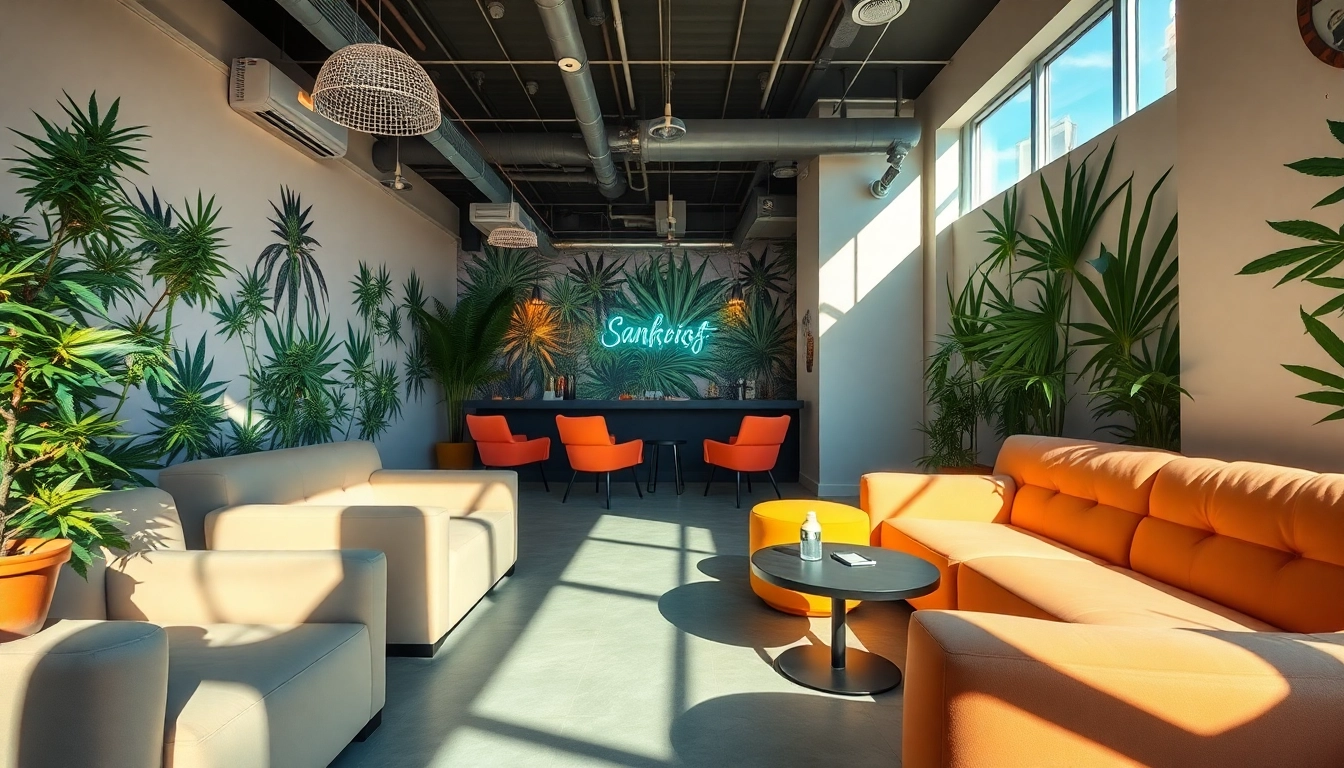
Understanding Your Crush On Creativity
In a world that often emphasizes logic and routine, nurturing creativity can sometimes take a backseat. Yet, many people experience a profound admiration—a "crush on" creativity—that inspires them to explore their artistic potential. This article embarks on a journey to understand what it means to have a crush on creativity, how to overcome obstacles that hinder creative expression, and the practical steps you can take to engage in various creative activities. Additionally, we will look forward to future trends in creativity as we approach 2026, providing a comprehensive guide to nurturing and measuring your creative growth.
When looking for resources about cultivating your artistic side, crush on creativity offers a plethora of insights that can serve as a valuable starting point.
What Does It Mean to Have a Crush On Creativity?
A crush on creativity signifies an emotional and intellectual draw towards creative pursuits that can manifest in various forms, from painting and writing to innovative problem-solving. This particular fascination often ignites a desire to explore one's artistic inclinations and express individuality. Creativity is not solely limited to traditional art forms; it also encompasses innovative thinking in everyday life, which enhances personal and professional experiences.
Having a crush on creativity involves recognizing its intrinsic value and the joy it brings into our lives. It can be a source of inspiration, a means to cope with stress, and a pathway to deeper self-awareness. Importantly, this acknowledgment can pave the way for individuals to seek out avenues that foster their creative impulses.
Identifying Personal Creative Interests and Passions
Identifying personal creative interests requires introspection and experimentation. Consider activities that captivate your attention or spark joy. Here are some strategies for discovering your creative passions:
- Journaling: Regularly jotting down thoughts about what interests you can reveal patterns over time.
- Exploring New Mediums: Trying different forms of expression—like digital art, poetry, or music—can uncover hidden talents.
- Reflecting on Childhood Hobbies: What did you love to do as a child? Revisiting these activities may reignite your passion.
Your creative interests may evolve, so remain flexible and open to new experiences that may emerge as you continue your journey.
How Creativity Impacts Emotional Well-being
Numerous studies have shown that engaging in creative activities can significantly enhance mental health. Creativity offers a unique means of self-expression, allowing individuals to process emotions and experiences. Here are some ways creativity positively affects emotional well-being:
- Stress Reduction: Art therapy and similar practices can help reduce anxiety and improve mood.
- Enhanced Problem-Solving Skills: Creative thinking fosters flexibility, reducing feelings of helplessness in challenging situations.
- Increased Self-esteem: Completing a creative project provides a sense of accomplishment and boosts confidence.
By fostering a crush on creativity, individuals can cultivate emotional resilience and create a healthier mindset.
Overcoming Obstacles to Creativity
While the desire to be creative is common, many face barriers that hinder their ability to express themselves fully. Identifying and addressing these obstacles is crucial for an enriching creative journey.
Common Challenges in Creative Expression
Several challenges can stifle creative expression. A few typical hurdles include:
- Fear of Judgment: Worrying about how others perceive your work can lead to self-censorship.
- Perfectionism: The desire for flawless execution can paralyze creative endeavors.
- Lack of Time: Busy lifestyles can leave little room for creative exploration, leading to frustration.
Recognizing these barriers is the first step toward overcoming them, allowing you to approach your creative pursuits with renewed vigor.
Breaking Through Creative Blocks: Practical Strategies
Creative blocks are common, yet there are effective strategies to break through them. Here are a few ideas:
- Set Aside Dedicated Time: Carving out specific time for creative work can help prioritize your passion.
- Change Your Environment: A new setting can inspire fresh ideas and perspectives.
- Engage in Creative Prompts: Using writing prompts or art challenges can stimulate your imagination and provoke new thoughts.
Implementing these strategies can help reinvigorate your creative spirit and facilitate a flow of new ideas.
Managing Perfectionism and Fear of Failure
Perfectionism and the fear of failure often accompany creative pursuits, causing stress and inhibiting expression. To alter this mindset:
- Embrace Imperfection: Recognize that imperfections are part of the creative process and can enhance authenticity.
- Focus on Progress, Not Perfection: Celebrate small successes and progress rather than fixating on end results.
- Share Work with Trusted Peers: Showcasing your work to a supportive community can alleviate feelings of vulnerability.
By reframing your perspective on creativity, you can cultivate a healthy, productive relationship with your artistic endeavors.
Engaging in Creative Activities
Engagement in creative activities is vital for personal growth and fulfillment. It can take various forms, offering myriad avenues to explore your artistic inclinations.
Exploring Different Creative Outlets: Art, Writing, and More
Creativity can manifest in numerous forms. Here are some popular creative outlets to consider:
- Visual Arts: Painting, drawing, and sculpting provide hands-on approaches to self-expression.
- Writing: From poetry to storytelling, writing allows for deep emotional exploration.
- Music: Playing an instrument or composing songs can be incredibly satisfying and therapeutic.
- Performing Arts: Theater and dance give individuals a platform to express emotions and narrative through physical movement.
Choosing one or several of these outlets can help you uncover your creative voice.
How to Incorporate Creativity into Daily Routines
Integrating creativity into your daily life can be simple. Here are practical suggestions:
- Morning Pages: Start your day by journaling or doodling for a few minutes. It acts as a warm-up for your brain.
- Mindful Breaks: Take short breaks during work to engage in a creative activity, like sketching or writing.
- Set a Creative Challenge: Dedicate a week to create something daily, whether it’s a sketch, poem, or a short story.
These small practices can significantly boost your overall creativity and enjoyment of the process.
Joining Workshops and Communities for Inspiration
Connecting with others who share your artistic interests can provide invaluable support and inspiration. Consider joining:
- Local Classes and Workshops: These can introduce you to new techniques and methodologies.
- Online Communities: Platforms like social media groups or forums can foster collaboration and sharing.
- Meetup Groups: Seeking out local meetup groups can facilitate face-to-face interactions and networking opportunities.
Building relationships within creative circles can enhance your skills and provide encouragement along your journey.
Measuring Creative Growth and Success
Tracking your creative progress is essential for personal development. Establishing clear benchmarks will help you appreciate your growth over time.
Key Performance Indicators for Personal Creativity
Identifying indicators to measure your creative growth can provide motivation and insight into your development. Consider the following:
- Project Completion: Measure how many creative projects you finish within a set period.
- Diversity of Mediums: Note how many different forms of creativity you engage in.
- Feedback from Peers: Collecting feedback can help assess impact and areas for improvement.
These indicators can create a structured approach towards assessing your artistic journey.
Reflecting on Creative Progress: Journaling Techniques
Maintaining a creativity journal can be a powerful tool in recognizing your development. Here are techniques to enhance this practice:
- Weekly Reflection: Set aside time each week to review your creative activities and note what resonated most.
- Goal Setting: Write down specific creative goals and monitor your progress over time.
- Celebrating Achievements: Document successes, no matter how small, to remind yourself of your journey.
Regular reflection fosters a deeper understanding of your creative path and encourages continued growth.
Sharing Your Creative Journey with Others
Sharing your work can enhance your experience and foster connections. Here are methods to consider:
- Social Media: Platforms like Instagram or Pinterest are great for showcasing visual arts.
- Blogging: Share your thoughts and projects through a personal blog.
- Public Readings/Exhibitions: Organize or participate in events where you can present your work to an audience.
Sharing your creative endeavors can build community and open up new avenues for collaboration and support.
Future Trends in Creativity for 2026
As we look towards the future, the creative landscape is poised to change significantly. Emerging trends will shape how creativity is expressed and nurtured.
The Evolving Landscape of Creative Industries
Expect to see innovation in creative industries as technology continues to advance. Here are some trends to watch:
- Increased Accessibility: Online platforms will democratize art and creativity, making it easier for individuals to share their work.
- Multimedia Projects: The fusion of various art forms through technology will redefine traditional boundaries.
- Focus on Sustainability: Creatives are increasingly adopting sustainable practices, promoting eco-friendly methods in their work.
Understanding these shifts will be essential for artists, allowing them to adapt and thrive within an evolving creative ecosystem.
Technology's Role in Enhancing Creative Expression
Technology will play an integral role in shaping the future of creativity. Some anticipated advancements include:
- AI in Art Creation: The use of AI tools will empower artists to explore new venues of creation.
- Virtual and Augmented Reality: These technologies will create immersive experiences that challenge traditional spectatorship.
- Online Collaborative Platforms: Enhanced tools for collaboration will foster creative teamwork across distances.
Embracing these technological innovations will enhance creative expression and offer new platforms for artists.
Preparing for Future Creative Opportunities
To stay relevant in the changing landscape, consider these strategies:
- Continuous Learning: Engage in lifelong learning through workshops, tutorials, and courses.
- Networking: Build relationships with other creatives and industry professionals to share insights and opportunities.
- Adaptability: Cultivate a mindset open to change and experimentation, ensuring creativity remains alive and evolving.
By proactively preparing for future trends, you can position yourself at the forefront of the creative revolution.
What are some daily practices to foster creativity?
Incorporating simple daily practices can significantly enhance your creative aptitude. Here are a few methods:
- Set Time for Play: Allow yourself unstructured time to explore and create freely.
- Limit Distractions: Create a focused environment conducive to creative thinking.
- Engage in Mindfulness: Practice mindfulness techniques to clear your mind and open it up to new ideas.
How can you overcome fear of judgment in creative pursuits?
Overcoming fear of judgment involves fostering self-confidence and resilience. Consider these tactics:
- Seek Supportive Communities: Surround yourself with individuals who encourage creative exploration.
- Practice Self-Compassion: Treat yourself kindly when facing setbacks or criticisms.
- Focus on Personal Growth: Shift your focus from external validation to internal fulfillment.
What tools can help keep my creative ideas organized?
Maintaining organization in your creative processes can enhance productivity. Useful tools include:
- Digital Notebooks: Apps like Evernote or Notion can help keep your thoughts and ideas organized.
- Trello or Asana: Project management tools can help track progress on creative projects.
- Mind Mapping Software: Programs like MindMeister can assist in visualizing and organizing your creative concepts.
Which social platforms promote creative collaboration?
Several social platforms are ideal for fostering creative collaboration:
- Behance: A platform where creatives can showcase their work and receive feedback.
- Pinterest: Great for inspiration and sharing ideas in visual formats.
- Wattpad: A community for writers to share stories and collaborate.
How can I find a creative community locally?
Finding a local creative community can enrich your artistic journey. Here are some tips:
- Attend Local Events: Look for art shows, open mics, or workshops in your area.
- Join Clubs or Organizations: Many cities have local art or writing clubs that welcome new members.
- Use Social Media: Platforms like Facebook often have local groups focused on specific creative interests.
Connecting with like-minded individuals can enhance your creative practice and provide a supportive network.