Introduction to Atlantic Cannabis Canada
The landscape of cannabis has undergone a significant transformation in Canada, with the legalization of recreational cannabis bringing forth a burgeoning industry. One of the key regions embracing this change is Atlantic Canada. Within this vibrant market lies the atlantic cannabis canada, which is becoming increasingly recognized for its quality products and community-focused values. This article aims to provide a comprehensive insight into the Atlantic cannabis market, exploring its growth, product offerings, consumer regulations, and future prospects.
Understanding the Landscape of Cannabis in Canada
The legal framework surrounding cannabis in Canada has set the tone for how the industry operates. In October 2018, Canada made history by becoming the first G7 nation to legalize recreational cannabis. This landmark decision has opened the floodgates for cannabis cultivation, distribution, and consumption across the country. However, each province and territory has the autonomy to regulate their own cannabis policies, resulting in a patchwork of rules and guidelines. In Atlantic Canada, various provinces have created environments conducive to local cultivation and retail, contributing to a unique cannabis culture.
The Growth of the Atlantic Cannabis Market
The Atlantic cannabis market has experienced remarkable growth since legalization. Various regions, including Newfoundland, Nova Scotia, New Brunswick, and Prince Edward Island, have witnessed a surge in both consumption and production. The blend of geography, local culture, and community engagement has created a distinctive market that prioritizes quality and sustainable practices. Local businesses have emerged, emphasizing craft production, which resonates with consumers seeking artisanal products. This has led to a diverse marketplace filled with unique strains and innovative product formats.
Benefits of Legal Cannabis Use in Atlantic Canada
Legal cannabis in Atlantic Canada has brought several benefits, not only to consumers but also to local economies. The regulated framework promotes safety by ensuring that products are tested and meeting health standards. Additionally, it has provided opportunities for employment in cultivation, distribution, retail, and ancillary services. Beyond economic benefits, legal cannabis use facilitates responsible consumption, enabling consumers to make informed choices about their products. Socially, it has sparked conversations about mental health, wellness, and responsible usage, aiming to destigmatize cannabis consumption in local communities.
Types of Cannabis Products Available
Exploring Flower Varieties
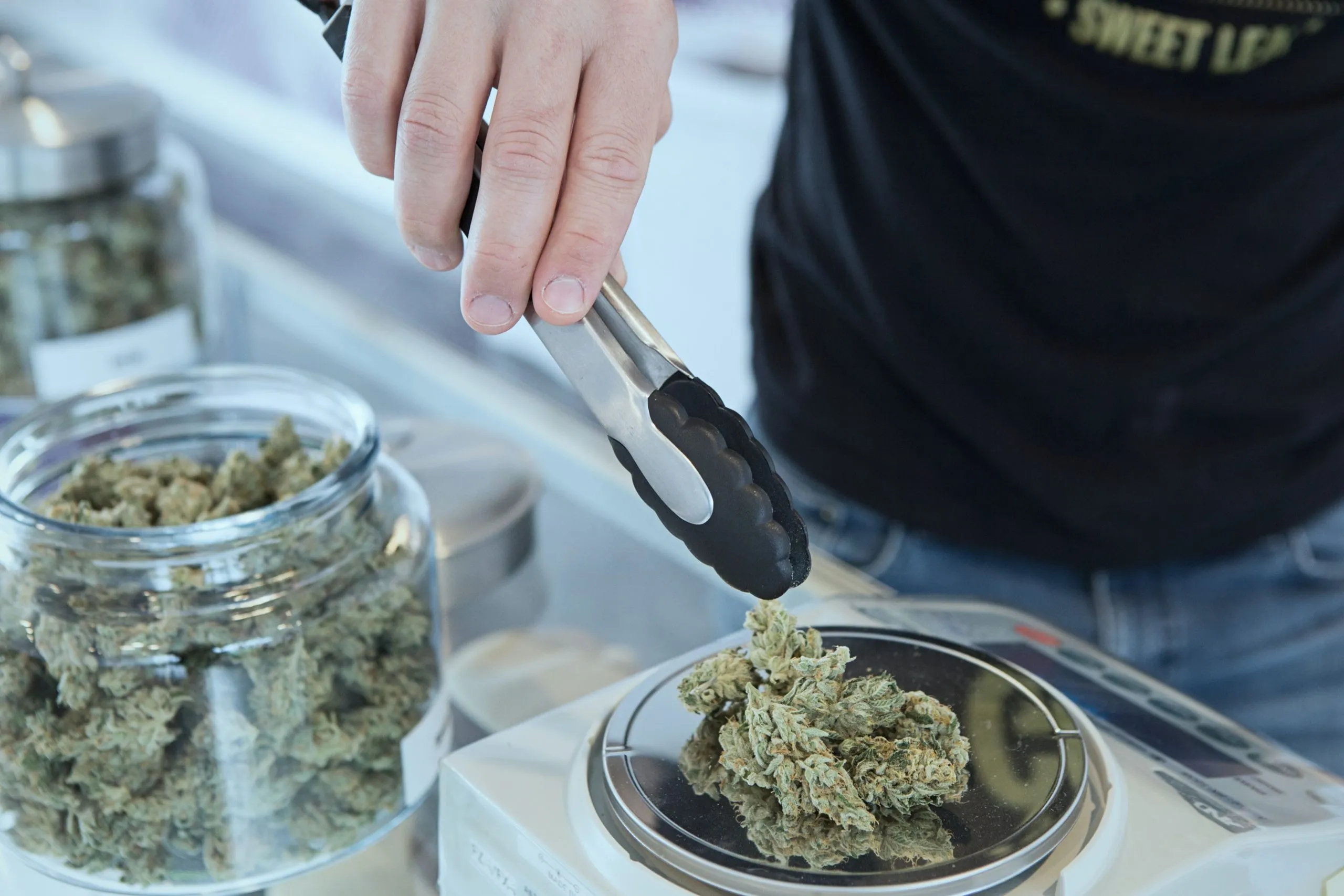
The fundamental product in the cannabis market remains the flower, which comes in various strains known for distinct profiles. Atlantic cannabis producers have embraced this diversity, offering sativa, indica, and hybrid strains designed to meet different consumer preferences. Sativa strains are often associated with energizing effects, while indica strains tend to provide relaxation. Hybrid strains offer a balance, catering to a broader audience. As consumers become more educated, they seek specific profiles that address particular needs, creating demand for detailed strain information.
Concentrates: An Overview
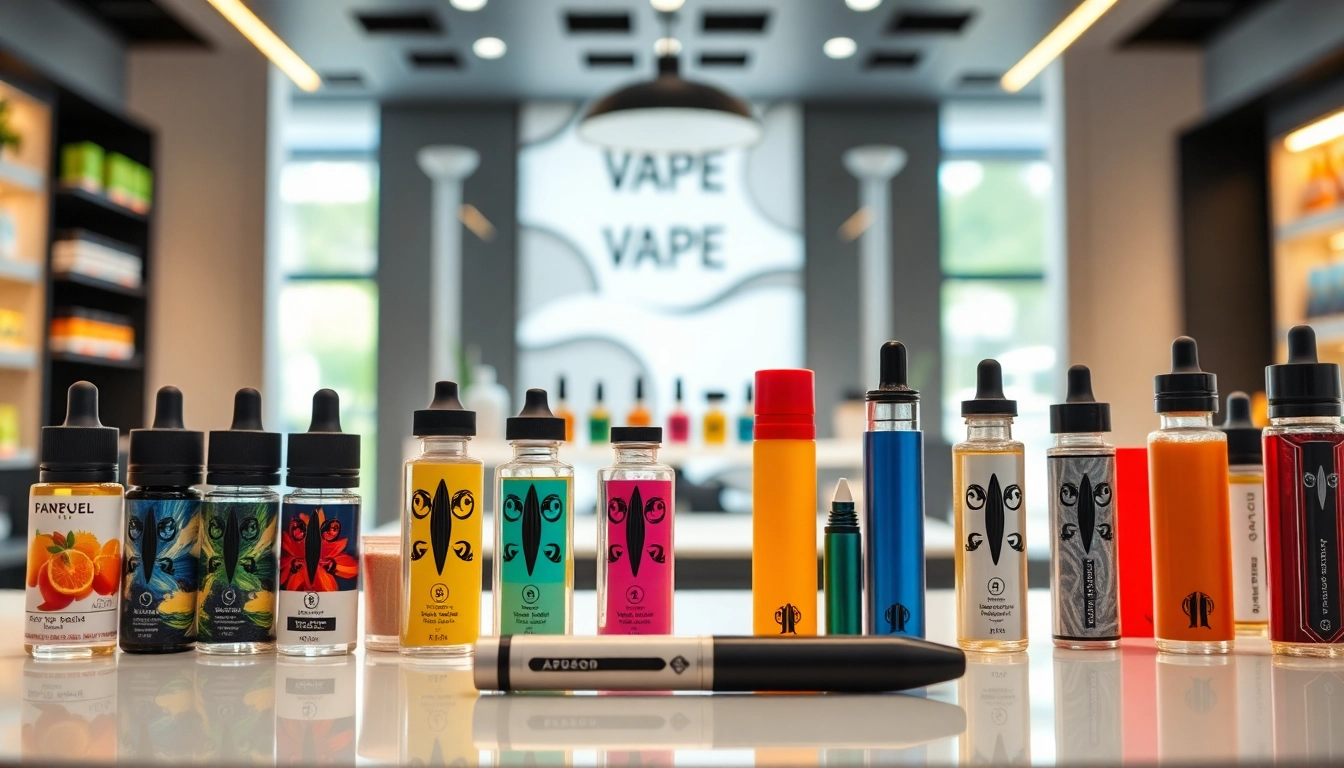
Concentrates represent a more potent category of cannabis products, extracted for higher concentrations of cannabinoids, primarily THC and CBD. These products come in various forms, including oils, wax, shatter, and vape cartridges. The appeal of concentrates lies in their potency and versatility. Consumers who prefer higher doses or a more streamlined consumption method often gravitate toward these products. In Atlantic Canada, the innovation in developing unique concentrate products has become a source of pride among local producers, enticing enthusiasts to explore different consumption experiences.
Edibles and Other Product Innovations
Edibles have captured the attention of consumers looking for alternatives to traditional smoking methods. With various options available, from infused gummies to baked goods, the edibles market in Atlantic Canada is continuously evolving. The integration of cannabis into familiar foods not only increases product accessibility but also enhances consumer enjoyment. Other innovations in the market include beverages infused with cannabis, topicals for localized relief, and even beauty products. These innovations represent a shift toward mainstream acceptance and diversified consumption, reflecting changing attitudes toward cannabis.
Buying Cannabis in Atlantic Canada
How to Choose a Reputable Dispensary
Choosing the right dispensary is crucial for consumers seeking quality cannabis products. A reputable dispensary should have knowledgeable staff who can provide guidance on strains, effects, and consumption methods. Transparency regarding product sourcing and testing also signals quality. Reviews from fellow consumers and online presence can offer insights into the dispensary's reputation. Consumers should look for locations that prioritize education, safety, and community engagement when making their choice.
Online vs. In-Store Shopping for Cannabis
The rise of e-commerce has affected how consumers purchase cannabis. Online shopping offers convenience, allowing consumers to browse product selections, read reviews, and make purchases from the comfort of their homes. Many dispensaries now offer home delivery services. In contrast, in-store shopping provides a hands-on experience where consumers can interact with staff, view products firsthand, and receive personalized recommendations. Each method has its benefits, and the choice frequently depends on individual preferences and needs.
Understanding Regulations for Consumers
Understanding regulations is paramount for consumers in Atlantic Canada. Each province has established its own legal framework dictating where and how cannabis can be purchased, consumed, and possessed. Generally, adults aged 19 and older can legally buy cannabis, but restrictions may apply to public consumption and transportation. Knowledge of local laws can help consumers navigate the landscape more effectively and avoid potential pitfalls, fostering a culture of responsible usage.
Quality Assurance and Safety Standards
How Cannabis is Tested in Canada
Quality assurance is critical in the cannabis industry, ensuring that products are safe for consumption. In Canada, licensed producers must adhere to stringent testing protocols, which include testing for potency, contaminants, and pesticides. Third-party labs often conduct these tests to maintain objectivity. Consumers can expect clear labeling indicating test results, allowing for informed decision-making. This transparency reinforces customer confidence and promotes a responsible cannabis culture.
Understanding Product Labels and Ingredients
Product labeling is an essential aspect of cannabis sales, providing consumers with vital information. Labels typically include details on cannabinoid content, strain type, ingredients, and usage recommendations. Understanding these labels helps consumers make educated purchases aligned with their preferences. Additionally, information on method of consumption, dosage recommendations, and potential effects can guide users in choosing the right products for their needs.
Community Engagement and Transparency
Community engagement is a fundamental element of the cannabis movement in Atlantic Canada. Local producers often prioritize building relationships with consumers and fostering a transparent environment. Through educational events, social media, and community outreach, companies can create informed consumers who understand responsible cannabis use. This commitment to transparency not only boosts credibility but also cultivates a sense of belonging among consumers, enhancing the overall experience.
Future Trends in Atlantic Cannabis Canada
Advancements in Cultivation Techniques
The future of cannabis cultivation in Atlantic Canada is marked by innovation and sustainability. Advances in technology, such as hydroponics and precision agriculture, enable producers to optimize yield and quality while minimizing environmental impact. The adoption of sustainable practices also aligns with consumer preferences, who increasingly favor eco-friendly brands. As the industry evolves, the emphasis on sustainable cultivation will likely influence market dynamics and consumer choice.
Potential Legislative Changes
As the cannabis industry matures, potential legislative changes are on the horizon. Ongoing discussions regarding regulations could lead to revisions in production, distribution, and consumption laws. Potential changes may focus on taxation, quality standards, or expanding product offerings. Keeping an eye on legislative developments will be crucial for both consumers and producers, facilitating a responsive and adaptable market.
The Role of Cannabis in Atlantic Canadian Economy
The economic impact of the cannabis industry in Atlantic Canada is profound. From job creation to increased tax revenue, cannabis has become a significant contributor to local economies. The development of related sectors, such as tourism and retail, further underscores the industry's potential for economic enhancement. Additionally, as the market continues to grow, opportunities for partnerships and collaborations will expand, creating a more interconnected business landscape.
Frequently Asked Questions
Can American tourists buy cannabis in Canada?
Yes, American tourists aged 19 and older can legally purchase cannabis in Canada. Proper identification is required to confirm age. However, it is essential to understand local regulations regarding possession and consumption.
What forms of cannabis are available for purchase?
Consumers can find various cannabis forms, including flower, concentrates, edibles, oils, and topicals. Each product offers distinct experiences and effects, catering to different preferences and uses.
Are there age restrictions for purchasing cannabis?
Yes, there are age restrictions for purchasing cannabis in Canada. Consumers must be at least 19 years old in most provinces, while some regions may differ slightly. Always check local laws to be informed.
How can I differentiate between cannabis products?
Product differentiation can be made through labels that describe strain types, cannabinoid content, and intended effects. Engaging with knowledgeable staff at dispensaries can also aid in selecting the right product.
Is testing for cannabis products mandatory?
Yes, mandatory testing is a requirement for cannabis products in Canada. Licensed producers must have their products tested for quality assurance and safety, ensuring consumers receive safe products.