
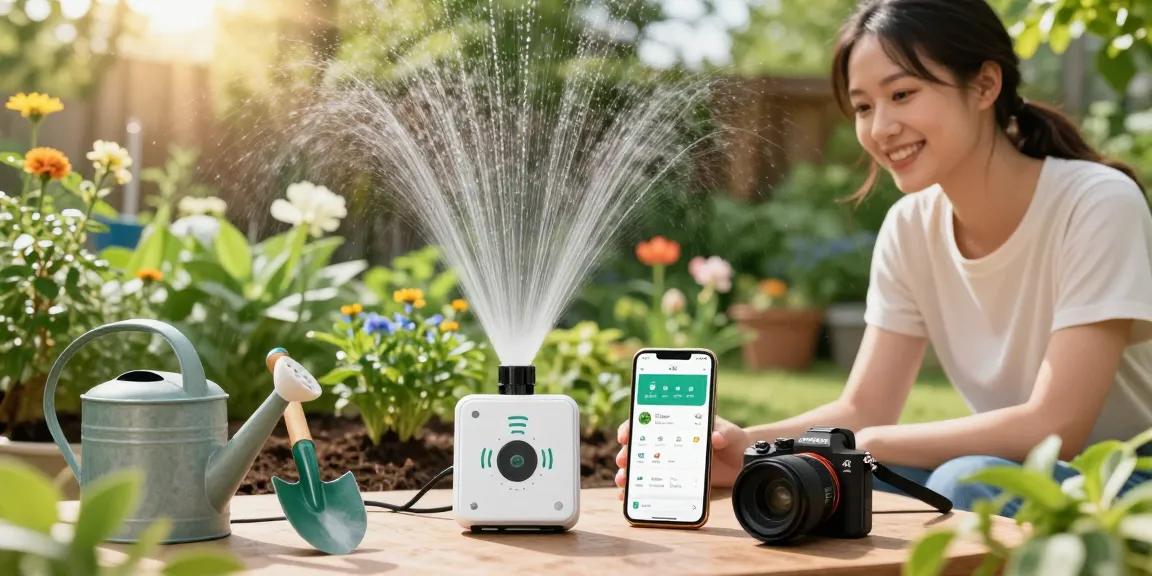
Understanding the Wifi Sprinkler Controller Technology
In the age of smart technology, home and garden irrigation have undergone a transformative shift. The advent of the wifi sprinkler controller has revolutionized how homeowners manage their watering needs, providing unprecedented control and efficiency in plant care. Gone are the days of guesswork in irrigation; these smart devices offer data-driven solutions that align with contemporary gardening practices. By harnessing advancements in technology, gardeners can not only save water but also foster robust plant growth and reduce maintenance labor.
What is a Wifi Sprinkler Controller?
A wifi sprinkler controller is an advanced irrigation system that connects to the internet, allowing users to manage their watering schedules remotely via smartphones or tablets. These devices can accommodate various watering zones, ensuring that each area of a garden or yard receives the right amount of moisture tailored to the specific needs of the plants within. With integrated sensors and user-friendly apps, wifi controllers represent the next generation of irrigation solutions, combining technology with horticultural expertise.
How Wifi Controllers Work for Smart Watering
Wifi sprinkler controllers typically utilize weather data and soil moisture levels to automate watering schedules. By connecting to online meteorological services, these controllers can adjust watering times based on local rainfall forecasts and temperature changes. This proactive approach helps prevent water waste while ensuring that plants receive optimal hydration. Additionally, many models support moisture sensors that provide real-time data, further refining the irrigation process.
Advantages of Using Smart Irrigation
- Water Conservation: Automated systems can significantly reduce water usage by preventing overwatering.
- Time Efficiency: Gardening tasks are automated, freeing up time for other activities.
- Customizable Settings: Users can easily adjust schedules and settings through mobile apps.
- Real-Time Monitoring: Access to current soil moisture levels helps prevent under or over-watering.
Benefits of Implementing a Wifi Sprinkler Controller
The integration of wifi sprinkler controllers into your irrigation system can offer numerous benefits that extend beyond mere convenience. By adopting these innovative tools, you can enhance the overall health of your garden while ensuring efficient water usage.
Water Conservation Strategies for 2026
Water scarcity is a growing concern globally, making conservation efforts increasingly vital. Using a wifi sprinkler controller allows gardeners to implement intelligent watering schedules that adapt to environmental conditions. These systems can be programmed to water during cooler parts of the day, further minimizing evaporation and maximizing water uptake by plants.
Enhancing Plant Growth with Precision Irrigation
With the ability to closely monitor soil moisture and adjust watering based on specific plant needs, wifi controllers promote healthier and more vigorous plant growth. For instance, plants such as trees and shrubs may require less frequent watering compared to annual flowers and vegetable gardens. By fine-tuning the irrigation based on plant type, you can optimize growth conditions and yield.
Reducing Labor Through Automation
One of the most significant advantages of wifi sprinkler controllers is the reduction of manual labor involved in garden maintenance. Once set up, these systems require minimal intervention, allowing gardeners to spend more time enjoying their outdoor spaces instead of laboring over tedious watering tasks. This “set-it-and-forget-it” capability enhances gardening enjoyment while ensuring that plants thrive.
Setup and Configuration of Your Wifi Sprinkler Controller
Installing a wifi sprinkler controller is a straightforward process that can be completed in a few easy steps. Whether you are a seasoned gardener or a beginner, following these guidelines can streamline your setup experience.
Step-by-Step Installation Guide
- Choose the Right Location: Select a central location for the controller that allows easy access to power and your sprinkler system.
- Connect the Hardware: Attach your hoses and fittings to the controller according to the manufacturer’s instructions.
- Power the Device: Plug the controller into an electrical outlet and turn it on.
- Download the App: Install the corresponding mobile app for your controller on your smartphone.
- Follow the Setup Wizard: Open the app and follow the on-screen prompts to connect your controller to Wi-Fi.
Connecting to Wi-Fi and Mobile Apps
Establishing a Wi-Fi connection is often one of the crucial steps in setting up your wifi sprinkler controller. Ensure your Wi-Fi network is operational and follow the app’s instructions to connect. Some users may encounter temporary connectivity issues, which can usually be resolved by resetting the controller or checking network settings.
Customizing Watering Schedules and Zones
After connecting your device to the app, you can customize watering schedules according to your garden’s specific needs. This customization includes setting different watering times for various zones, thereby ensuring that every part of your garden is effectively nurtured. Users can also incorporate seasonal adjustments to the schedule, reflecting changes in plant growth and environmental conditions.
Common Challenges with Smart Irrigation Systems
While wifi sprinkler controllers offer numerous advantages, they are not without challenges. Understanding common issues can help users navigate and mitigate potential problems seamlessly.
Connectivity Issues and Troubleshooting
Connectivity with Wi-Fi can sometimes be unstable, particularly in areas with weak signal strength. To address these issues, consider relocating the controller closer to the router or using Wi-Fi extenders to improve signal quality.
Overcoming Misconceptions About Smart Controllers
Some gardeners may have misconceptions about the complexity of these devices. Many modern wifi sprinkler controllers are designed to be user-friendly, featuring intuitive apps and straightforward setup processes. Users should not hesitate to seek resources or customer support to enhance their experience.
Maintenance Tips for Longevity
To ensure your wifi sprinkler controller operates efficiently over the long term, regular maintenance is key. This includes checking for leaks in the system, cleaning filters, and reviewing software updates for the device and app. Such practices can extend the lifespan of your controller and maintain optimal performance.
Future Trends in Smart Gardening Technologies
The landscape of smart gardening continues to evolve, with advancements on the horizon promising even greater improvements in efficiency and sustainability in 2026 and beyond.
Emerging Features in 2026 and Beyond
By 2026, expect wifi sprinkler controllers to incorporate machine learning capabilities, enabling them to predict irrigation needs based on historical data and trends. Such predictive analytics could facilitate even more precise watering schedules tailored to the unique requirements of individual gardens.
Integrating Sustainable Practices with Technology
As environmental awareness grows, there is a significant push toward integrating sustainable practices with smart technologies. Wifi sprinkler controllers will likely incorporate renewable energy sources, helping to reduce their carbon footprint while supporting sustainable gardening practices.
Community Feedback and Innovations in Smart Irrigation
The gardening community plays a crucial role in the innovation process. Feedback from users significantly informs manufacturers, leading to improvements in device functionality, ease of use, and additional features. Engaging with online forums and groups can provide valuable insights into the latest advancements and best practices in smart irrigation.
What is the role of sensors in a Wifi Sprinkler Controller?
Sensors are integral components of wifi sprinkler controllers, providing essential data on soil moisture levels and weather conditions. This information helps create a more responsive irrigation schedule, ensuring that plants receive water only when necessary.
Can I use a Wifi Sprinkler Controller for indoor plants?
Yes, wifi sprinkler controllers can be adapted for indoor gardening. Many models support flexible configurations, allowing users to create bespoke watering systems for various types of plants, including houseplants and hydroponics.
How does a Wifi Sprinkler Controller save water?
Wifi sprinkler controllers save water by utilizing real-time data to optimize irrigation schedules, preventing overwatering. By adjusting watering times based on environmental factors such as rainfall and temperature, these systems can significantly reduce unnecessary water consumption.
What are the best brands for Wifi Sprinkler Controllers?
Several reputable brands offer high-quality wifi sprinkler controllers, including RainPoint, Rachio, and Orbit. Each brand provides unique features and capabilities, catering to diverse gardening needs and preferences.
Are there any security concerns with wifi-connected devices?
As with any internet-connected device, there are potential security concerns with wifi sprinkler controllers. Users should ensure their home networks are secure, utilizing strong passwords and regularly updating device firmware to protect against vulnerabilities.