Defining Education
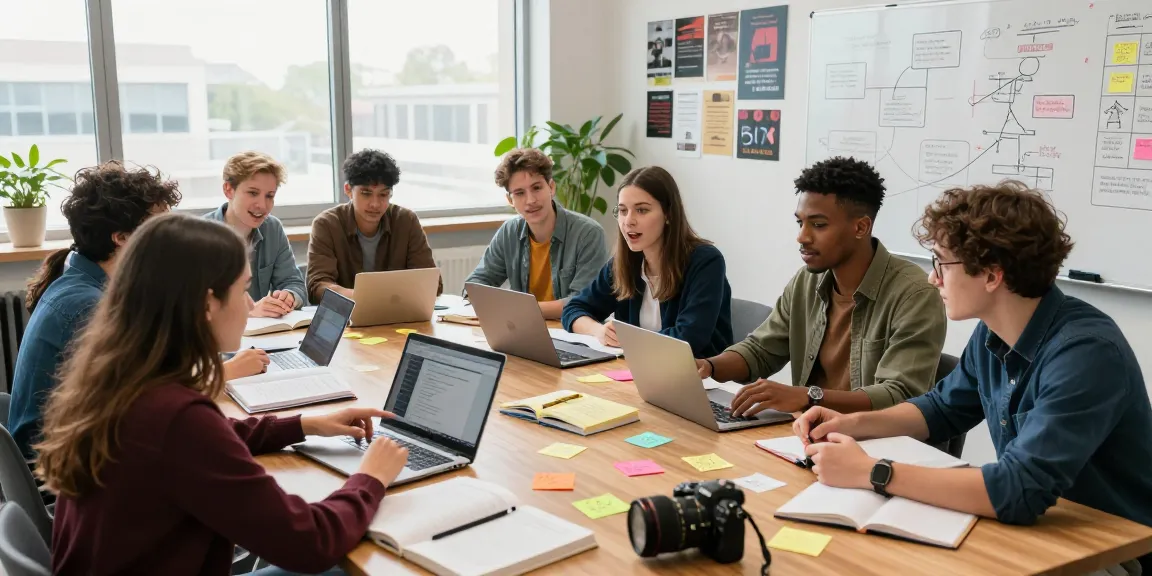
Education serves as one of the cornerstones of human development, societal progress, and personal growth. It is a multifaceted concept that encompasses a variety of processes and experiences wherein individuals acquire knowledge, skills, attitudes, and cultural values. The term Education is often associated with formal settings like schools and universities, but its essence permeates informal and non-traditional systems as well.
The Scope of Education
The scope of education is vast and can be categorized into various levels, such as early childhood, primary, secondary, and higher education, alongside informal and adult education. Each level serves different purposes, targeting different demographic groups and catering to diverse learning needs. Early childhood education focuses on developing foundational skills, while higher education often aims to prepare individuals for specialized professions.
Types of Education Systems
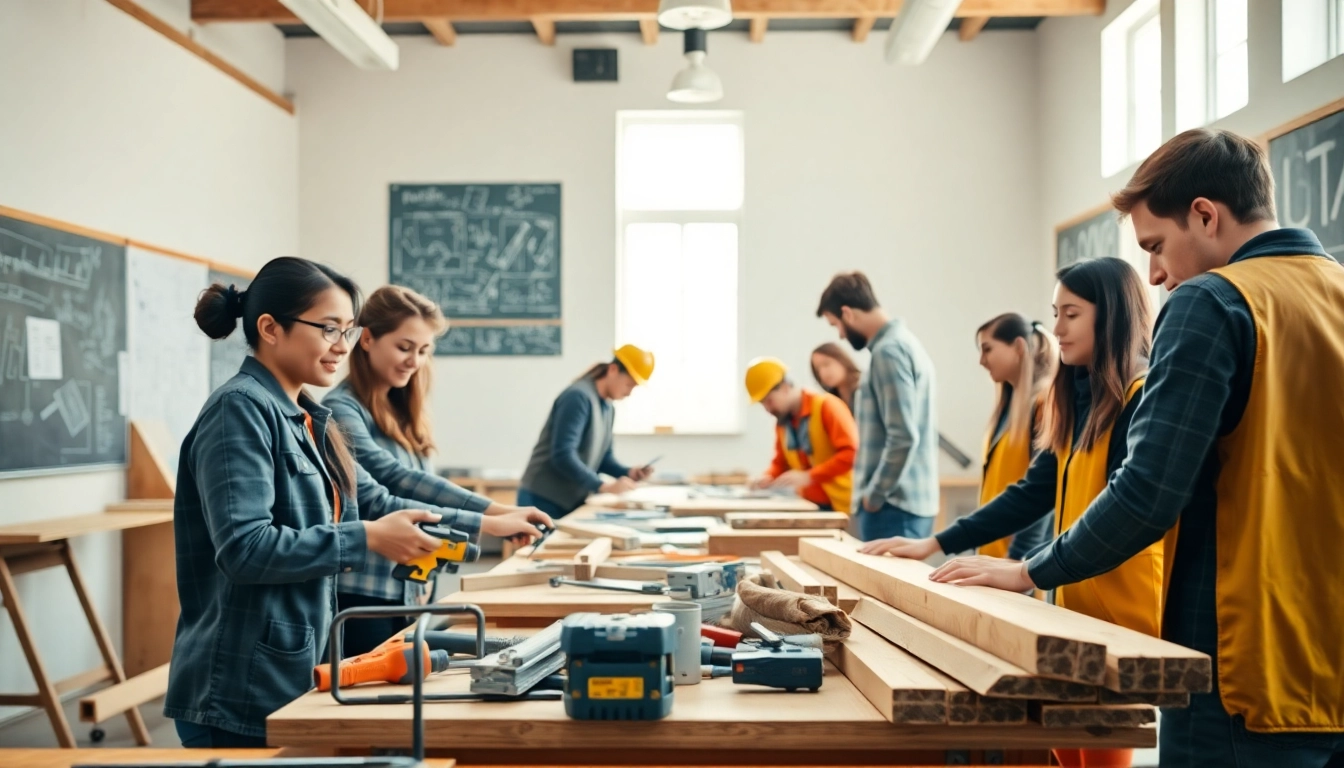
Education systems vary significantly around the world, influenced by cultural, economic, and political factors. Broadly, we can categorize education systems into three main types: formal, non-formal, and informal education. Formal education is structured, often delivered in institutions such as schools and universities, where curricula are standardized. Non-formal education occurs outside formal institutions but still follows organized methods, such as vocational training or community education programs. Informal education, the most unstructured type, takes place through life experiences, interactions with peers, and self-directed learning endeavors.
Historical Perspectives on Education
The history of education reflects the evolving societal values and needs through the ages. From the ancient Greeks and Romans, who laid the groundwork for scholarly pursuits, to the Renaissance's emphasis on humanist education, every epoch contributed to shaping modern educational concepts. The Industrial Revolution introduced mass education to comply with economic demands, while the 20th century emphasized inclusivity, leading to significant reforms aiming to make education accessible to all demographics.
The Importance of Education
Education plays a pivotal role in shaping not just individual lives but also the structure and function of society at large. Understanding its importance underscores the necessity of ensuring equitable access and quality in educational offerings.
Education and Society
Education acts as a catalyst for social mobility, helping individuals break free from the cycles of poverty. Through quality education, societies can reduce disparities, fostering a more equitable distribution of resources and opportunities. Each educated individual contributes to the workforce, driving innovations that can propel entire communities forward. Moreover, education fosters citizenship, empowering individuals to engage actively and responsibly in civic life, understanding their rights and duties, and contributing to democratic processes.
Personal Development through Education
On a personal level, education serves as a means of self-discovery, critical thinking, and emotional growth. It helps individuals build their identities, instill values, and develop skills that extend beyond academic learning. Education nurtures creativity and innovation, thus enabling individuals to adapt to changing environments and challenges. A well-rounded education cultivates empathy, resilience, and communication skills vital for personal and professional success.
Challenges in Access to Quality Education
Despite its importance, access to quality education remains a global concern. Numerous barriers, including socio-economic disparities, geographic isolation, cultural stigmas, and political instability, can hinder educational opportunities. Addressing these challenges requires comprehensive strategies that involve governmental actions, community engagement, and international cooperation to provide all individuals with the education they deserve.
Modern Educational Approaches
The landscape of education continues to evolve, adapting to the demands of the 21st century. Modern approaches focus on customization, inclusivity, and the integration of technology, reflecting both societal shifts and technological advances.
Innovative Teaching Methods
Innovative teaching methods challenge traditional pedagogical approaches by emphasizing student engagement through experiential learning, project-based activities, and collaborative work. Techniques such as flipped classrooms, where students learn content at home and engage in hands-on activities in class, exemplify this shift. They create environments where teachers act as facilitators, guiding students through more personalized learning experiences.
Technology in Education
The integration of technology into education has transformed teaching and learning processes significantly. Digital tools such as learning management systems, online courses, and educational software provide diverse, accessible resources that cater to various learning styles. Moreover, technology bridges geographical gaps, allowing learners in remote areas to access quality educational materials and connect with experts across the globe.
Inclusive Education Practices
Inclusive education seeks to accommodate all learners, regardless of their physical, intellectual, or social challenges. This approach emphasizes the importance of creating environments that welcome diversity and promote learning equity. Employing differentiated instruction, universal design for learning (UDL), and multi-tiered systems of support (MTSS) are essential strategies in ensuring that every student can succeed, enabling them to reach their fullest potential.
Measuring Educational Success
As educational systems implement innovative practices and methodologies, measuring success becomes crucial for continuous improvement. The focus shifts beyond standardized testing, enabling a more nuanced approach to assessing quality education.
Performance Metrics in Education
Performance metrics such as graduation rates, student retention, and post-graduation outcomes provide insights into the effectiveness of educational systems. Additionally, qualitative assessments, including student feedback and teacher evaluations, contribute to understanding how well learners are served. By using a comprehensive set of indicators, educational stakeholders can make informed decisions about curricula, resources, and pedagogical approaches.
Assessing Student Progress
Assessing student progress requires a combination of formative and summative evaluations. Continuous assessment through projects, presentations, and participation helps educators monitor learning in real-time, allowing adjustments to instructional practices. Summative assessments, such as exams, remain vital for gauging a student's cumulative understanding and readiness for the next educational phase.
Educational Outcomes and Impact
Understanding educational outcomes extends to analyzing the broader societal impact, such as the correlation between education levels and economic prosperity, health markers, and civic participation. These insights compel educators and policymakers to advocate for investing in education as a strategic priority for community and national advancement.
Future Trends in Education
The future of education will likely reflect emerging technologies and socio-economic demands. Recognizing and adapting to these trends is essential for preparing the next generation for the challenges they will face.
The Role of Globalization in Education
Globalization has redefined the educational landscape, fostering a greater exposure to diverse cultures and ideas. Educational exchange programs, online collaborative projects, and international assessments have become prevalent ways of promoting cross-cultural understanding. As students experience education beyond their national borders, they cultivate global competencies essential for thriving in interconnected economies.
Future Skills for the Workforce
Preparing students for the future workforce requires a focus on skills such as critical thinking, adaptability, and emotional intelligence. The rapid pace of technological change necessitates an education that promotes lifelong learning and equips students with the abilities to navigate evolving job markets. Integrating soft skills within the curriculum alongside traditional academic content will become increasingly important.
Continual Learning and Education
In an era characterized by constant change, the concept of continuous learning gains prominence. Lifelong education recognizes that learning does not end with formal schooling; it is a perpetual process. Adult education programs, online courses, and corporate training initiatives reflect this trend, enabling individuals to stay relevant and proficient in their careers.