
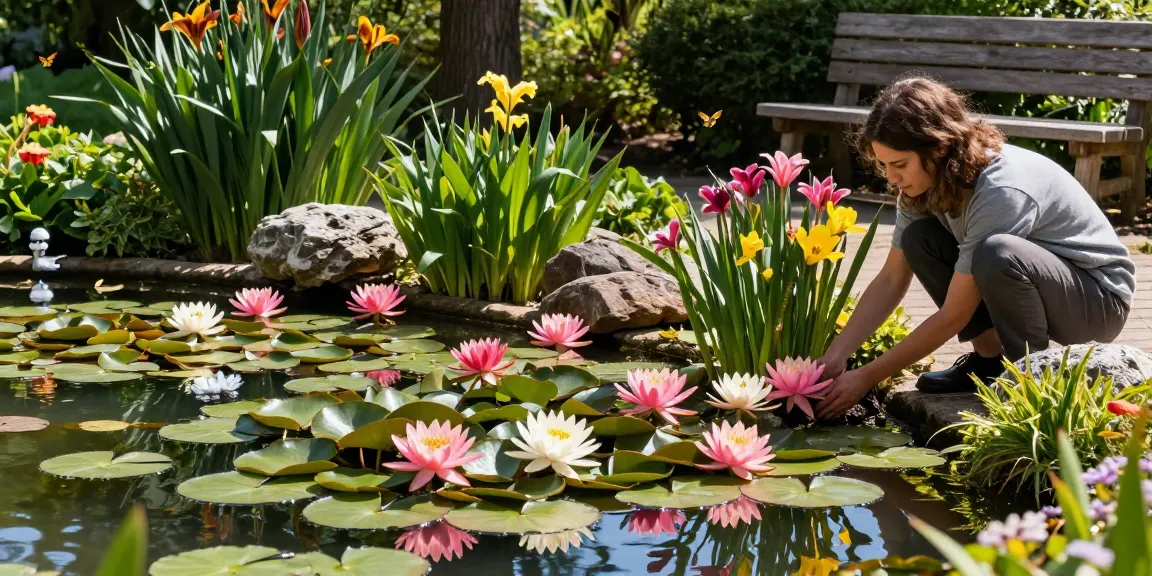
The Beauty and Benefits of Water Lilies
Water lilies are not only one of the most stunning plants you can add to your pond but also offer a range of environmental and ecological benefits. These aquatic plants have captivated gardeners for centuries due to their elegant blooms and serene presence on the water’s surface. If you’re considering enhancing your garden’s tranquility and beauty, Buy Water Lilies that perfectly suit your pond’s aesthetic. This article explores the compelling reasons to choose water lilies, the advantages they bring, how to select quality specimens, and best practices for their care and maintenance.
Why Choose Water Lilies for Your Pond?
Water lilies (family Nymphaeaceae) are a beautiful and versatile addition to any pond or water garden. Their large, flat leaves create a picturesque surface that not only enhances the visual appeal but also provides essential shade to the water below. Choosing water lilies for your pond comes with several advantages, including:
- Visual Appeal: With a range of colors and sizes, water lilies can transform a mundane pond into a vibrant oasis.
- Habitat Creation: Their leaves provide shelter and breeding grounds for fish and other aquatic wildlife.
- Water Quality Improvement: Water lilies play a vital role in balancing pond ecosystems by absorbing excess nutrients and providing oxygen.
Aesthetic, Environmental, and Ecological Advantages
The allure of water lilies goes beyond mere aesthetics. From an ecological standpoint, they contribute positively to the health of your pond. By shading the water’s surface, they reduce algal blooms and keep water temperatures stable. Ecologically, they support pond life by providing habitats for insects, fish, and amphibians, thus fostering a thriving ecosystem. Furthermore, their vibrant and fragrant flowers attract pollinators, enhancing biodiversity around your water feature.
Popular Varieties of Water Lilies to Buy
When it comes to purchasing water lilies, there are numerous varieties to consider, each with unique features that can complement your specific pond environment. Some popular choices include:
- Victoria Amazonica: Known for its enormous leaves and striking white flowers, this variety can add a touch of exotic flair.
- Nymphaea ‘Perry’s Orange Sunset’: This hybrid produces stunning orange blooms and thrives in full sun.
- Nymphaea ‘Blue Beauty’: A gorgeous blue variety that offers a unique contrast to traditional white and pink water lilies.
How to Select Quality Water Lilies
Selecting quality water lilies is crucial to achieving a thriving water garden. When looking to buy water lilies, consider factors such as the health of the plant, its variety, and where you’re purchasing from.
Key Traits to Look for When Buying Water Lilies
When evaluating water lilies, inspect for the following characteristics:
- Healthy Leaves: Look for lush, green foliage without signs of yellowing or browning, which can indicate unhealthy plants.
- Robust Roots: Ensure the plant has a well-developed root system. Gently remove the plant from its pot to check for dense, white roots.
- Flower Buds: If possible, choose water lilies that have visible flower buds as this indicates the plant is healthy and ready to bloom.
Understanding Water Lily Planting Zones
Water lilies thrive best in specific planting zones. Understanding your local climate and conditions is crucial for successful growth. Generally categorized into tropical and hardy varieties, choose according to your region:
- Tropical Water Lilies: Require warmer temperatures and do well in zones 10-11. These varieties can be left in the water year-round in warmer climates.
- Hardy Water Lilies: Suitable for zones 3-9, these are typically more resilient to colder weather and can be wintered in the pond.
Online vs. Local Purchases: Pros and Cons
When deciding whether to purchase water lilies online or from a local store, weigh the benefits and drawbacks:
- Online Purchases: Offer a wider variety and the convenience of home delivery. However, the plant’s condition upon arrival can be unpredictable.
- Local Purchases: Allow you to inspect the plants firsthand and get expert advice from staff, although the range may be limited.
Best Practices for Water Lily Care
Caring for water lilies is an essential aspect of maintaining a healthy pond ecosystem. Implementing best practices will encourage optimal growth and flowering.
Essential Maintenance Tips for Healthy Growth
To ensure your water lilies flourish, follow these fundamental maintenance tips:
- Regular Monitoring: Check for pests and diseases regularly to catch any problems early.
- Optimal Water Levels: Maintain appropriate water levels; most water lilies prefer about 6-12 inches of water above their crowns.
- Sun Exposure: Position them in a spot where they receive at least 6 hours of sunlight daily.
Fertilizing and Pruning Water Lilies Effectively
Water lilies benefit from thoughtful fertilization and occasional pruning. Use underwater fertilizers specifically designed for aquatic plants to promote blooming. Prune dead leaves and spent flowers regularly to encourage new growth and keep the pond looking tidy.
Recognizing and Managing Common Pests and Diseases
Common pests include aphids and spider mites, while diseases like root rot can occur if water lilies are overwatered or poorly drained. Regular monitoring and prompt action can prevent these issues from becoming serious. Use appropriate organic pesticides and fungal treatments to manage any infestations or infections.
Creating the Perfect Environment for Water Lilies
Establishing the right environment is crucial for thriving water lilies. Factors such as location, water quality, and companion plants can greatly influence their health and blooming potential.
Choosing the Right Pond Location and Conditions
Ensure your pond is located in an area that receives adequate sunlight and is sheltered from extreme winds. The edges should be designed to allow for gentle slope access, making it easier for water lilies to establish themselves.
Water Quality and Its Impact on Water Lilies
Water quality is another essential aspect to monitor. Water lilies thrive in clean, slightly acidic to neutral water. Regularly test your pond’s pH and nutrient levels to avoid any adverse effects on plant health.
Companion Plants That Enhance Water Lily Growth
Consider including companion plants like cattails, irises, and other marginal plants around your pond. These not only enhance the aesthetic appeal but also add to the ecosystem, providing shelter and food for aquatic life.
Future Trends in Aquatic Plants for 2026
The world of aquatic gardening is evolving, and 2026 promises new innovations and varieties in water lilies and other aquatic plants. Keeping an eye on emerging trends can help you stay ahead in creating the perfect pond.
Emerging Water Lily Varieties and Innovations
Innovators in horticulture continue to develop water lilies with improved disease resistance, unique colors, and shapes. Discovering these new varieties can introduce fresh aesthetics to your pond while ensuring resilience.
Using Technology to Monitor Pond Health
Advancements in technology are making it easier to maintain pond health with smart monitoring devices that track water quality parameters, helping gardeners respond proactively to changes.
Environmental Sustainability and Water Gardening
As environmental concerns grow, sustainable gardening practices are becoming increasingly important. Water gardening can integrate eco-friendly techniques such as rainwater harvesting and organic pond management methods.
What are the top benefits of buying water lilies?
Water lilies enhance the visual appeal of ponds, improve water quality, provide wildlife habitats, and contribute to a balanced ecosystem.
How do water lilies contribute to pond ecosystems?
They provide shelter for fish, reduce algae, and help oxygenate the water, all of which are crucial for a healthy aquatic environment.
What are the best conditions for water lilies to thrive?
Water lilies thrive in full sunlight, with temperatures between 70-80°F (21-27°C), and require clean, nutrient-rich water.
Can water lilies survive winter temperatures?
Hardy water lilies can survive winter temperatures by going dormant, while tropical varieties often require additional care to withstand colder climates.
What should I do if my water lilies are not blooming?
Check for adequate sunlight, ensure proper fertilization, and inspect for pests or diseases that may hinder blooming.