Understanding Electric Chain Hoist Cranes
The evolution of industrial lifting solutions has led to the widespread adoption of electric chain hoist cranes. These robust machines have become essential in various sectors, providing efficient and safe lifting capabilities. With advancements in technology, the functionality and reliability of electric chain hoist cranes have improved, allowing for enhanced productivity in manufacturing and construction operations. When exploring options, electric chain hoist crane systems offer unparalleled advantages for handling heavy loads with precision.
What is an Electric Chain Hoist Crane?
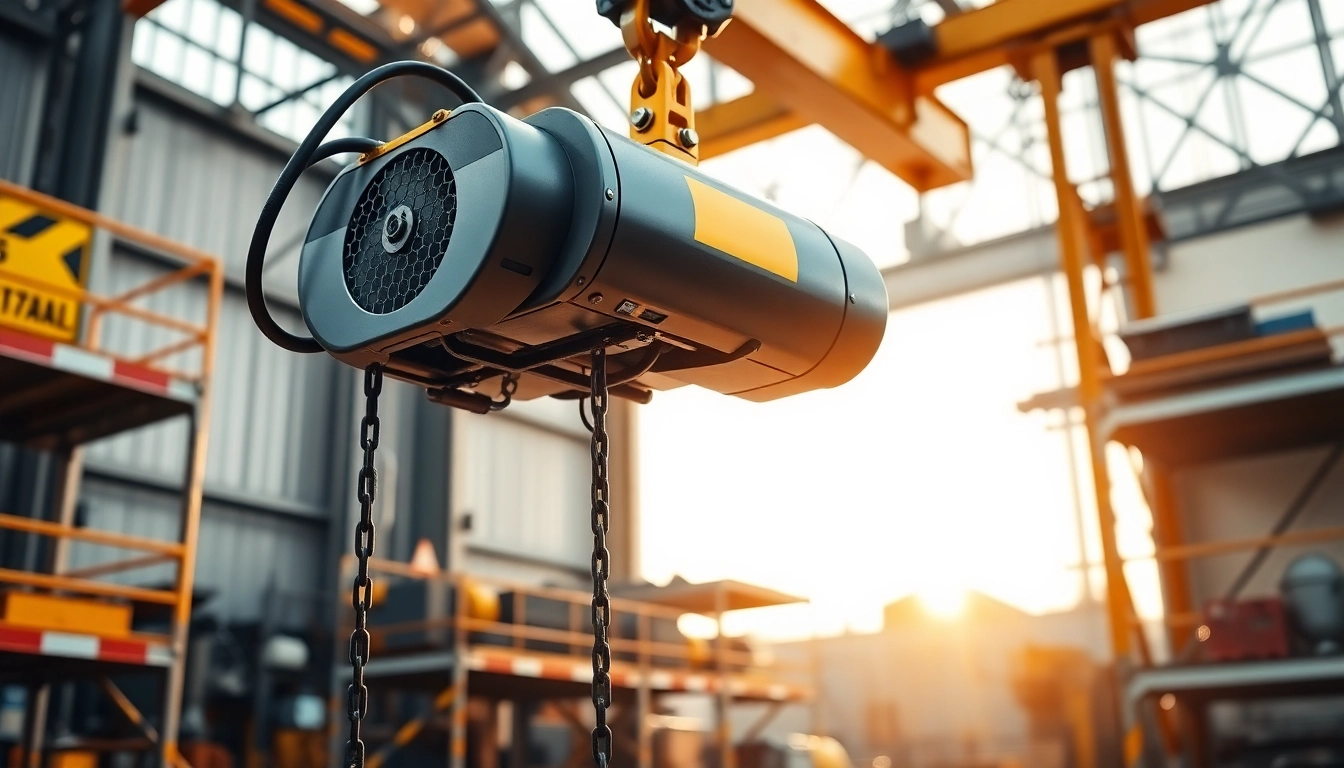
An electric chain hoist crane is a mechanized device utilized for lifting and lowering heavy loads by means of a chain. Unlike manual hoists, electric chain hoists rely on electric motors to drive the lifting mechanism, offering significant advantages in terms of efficiency and ease of use. These cranes are crucial for operations where heavy lifting is a routine task, eliminating the need for manual labor and improving overall safety.
Key Features and Functions
Electric chain hoist cranes are equipped with several key features that enhance their functionality:
- Motorized Operation: Electric hoists use electric motors for lifting, allowing for smoother operation and less physical strain on operators.
- Load Capacity: These cranes come in various load capacities, typically ranging from 0.5 tons to over 50 tons, suitable for different industrial applications.
- Control Mechanisms: Electric chain hoists often feature advanced control systems, including remote controls and limit switches, ensuring precise load handling.
- Safety Features: They are integrated with safety mechanisms like overload protection, emergency stop buttons, and hoist brakes to prevent accidents.
Applications Across Industries
The applications of electric chain hoist cranes span multiple industries, reflecting their versatility. Key sectors include:
- Manufacturing: Used for assembling heavy machinery and delivering parts along assembly lines.
- Construction: Essential for lifting materials, tools, and equipment to various heights on construction sites.
- Warehousing: Helpful in moving heavy goods, pallets, and machinery within warehouses and distribution centers.
- Automotive: Used in auto repair shops for lifting vehicles and heavy engine parts for maintenance and repairs.
Benefits of Electric Chain Hoist Cranes
Increased Efficiency and Productivity
The utilization of electric chain hoist cranes significantly boosts operational efficiency. By automating the lifting process, these cranes reduce the time and labor associated with manual lifting, allowing businesses to allocate human resources to other critical tasks. This increase in productivity often translates into higher output levels and reduced operational costs.
Safety Considerations for Operators
Safety is paramount in any industrial setting, and electric chain hoist cranes enhance workplace safety by minimizing the risk of accidents associated with manual lifting. Their built-in safety features, such as automatic braking systems and overload protection, help prevent accidents. Furthermore, the ergonomic design reduces the physical strain on operators, minimizing work-related injuries.
Cost-Effectiveness and ROI
Investing in electric chain hoist cranes can yield significant returns in terms of efficiency and safety. Although the initial purchase cost may be higher compared to manual hoists, the long-term benefits—such as reduced labor costs, lower injury rates, and increased operational speed—often outweigh these expenses. Many businesses find that the ROI justifies the investment, especially in high-demand environments.
Choosing the Right Electric Chain Hoist Crane
Capacity and Specifications
When selecting an electric chain hoist crane, understanding the load capacity and required specifications is essential. Considerations include:
- Load Requirements: Determine the maximum weight your crane will need to lift and select a model that exceeds this capacity to ensure safety.
- Lift Height: Assess the maximum height the crane needs to operate effectively; this will dictate the design and specifications you require.
- Power Source: Evaluate if you need a single-phase or three-phase power supply based on the electrical infrastructure available at your facility.
Types of Electric Chain Hoists
Electric chain hoists come in various types, each suited for specific applications:
- Standard Electric Chain Hoists: Ideal for general lifting tasks in manufacturing and construction.
- Durable Heavy-Duty Hoists: Designed for extreme conditions, suitable for heavy lifting in rugged environments.
- Explosion-Proof Hoists: Essential for environments with flammable materials, preventing ignition during operation.
Vendor and Brand Comparisons
Choosing the right vendor is crucial for obtaining quality electric chain hoist cranes. Some reputable brands include:
- Harrington: Known for reliable hoists with a wide range of capacities.
- CM Lodestar: Offers robust hoists renowned for their durability and performance.
- Yale: Features advanced technology in hoist designs, ideal for varied applications.
Installation and Maintenance Best Practices
Step-by-Step Installation Guide
Proper installation is vital for the safe operation of electric chain hoist cranes. Here’s a basic installation guide:
- Review the manufacturer's manual for specific installation instructions.
- Ensure the installation area can support the hoist's load capacity.
- Mount the hoist securely at the designated height, ensuring it aligns with the intended lifting path.
- Connect the power supply in accordance with local electrical codes.
- Conduct a test run to ensure the hoist operates smoothly before regular use.
Routine Maintenance Essentials
Regular maintenance is crucial to ensure the longevity and efficiency of electric chain hoist cranes. Key maintenance activities include:
- Inspection: Conduct routine inspections for wear and tear on chains, gears, and electrical components.
- Lubrication: Regularly lubricate moving parts to prevent friction and wear.
- Calibration: Check and calibrate controls to maintain accurate load handling capabilities.
Common Issues and Troubleshooting
Potential issues with electric chain hoist cranes can affect operational efficiency. Common issues include:
- Unresponsive Controls: This may indicate electrical issues; check wiring and connections.
- Inconsistent Lift Speeds: Often related to power supply problems or motor malfunctions; inspect the motor and replace when necessary.
- Worn Chains: Chains can sustain damage over time; replace them immediately if wear is evident to ensure safety.
Future Trends in Electric Chain Hoist Crane Technology
Innovations to Watch in 2025
The landscape of electric chain hoist technology is constantly evolving. Expected innovations include:
- Smart Technology: Integration of IoT for real-time monitoring and predictive maintenance.
- Enhanced Safety Features: Development of advanced safety protocols, including artificial intelligence for load handling.
- Energy Efficiency: Innovations aimed at reducing energy consumption during operation.
Impact of Automation and Robotics
As industries trend towards automation, electric chain hoist cranes will increasingly integrate with robotic systems for seamless operations. This integration will enhance the productivity and efficiency of manufacturing processes, making lifting tasks more streamlined.
Regulatory Changes and Compliance
Staying abreast of regulatory changes is critical for ensuring compliance and safety. In 2025, expect new regulations focusing on safety standards and environmental impacts that electric chain hoist manufacturers will need to adhere to.