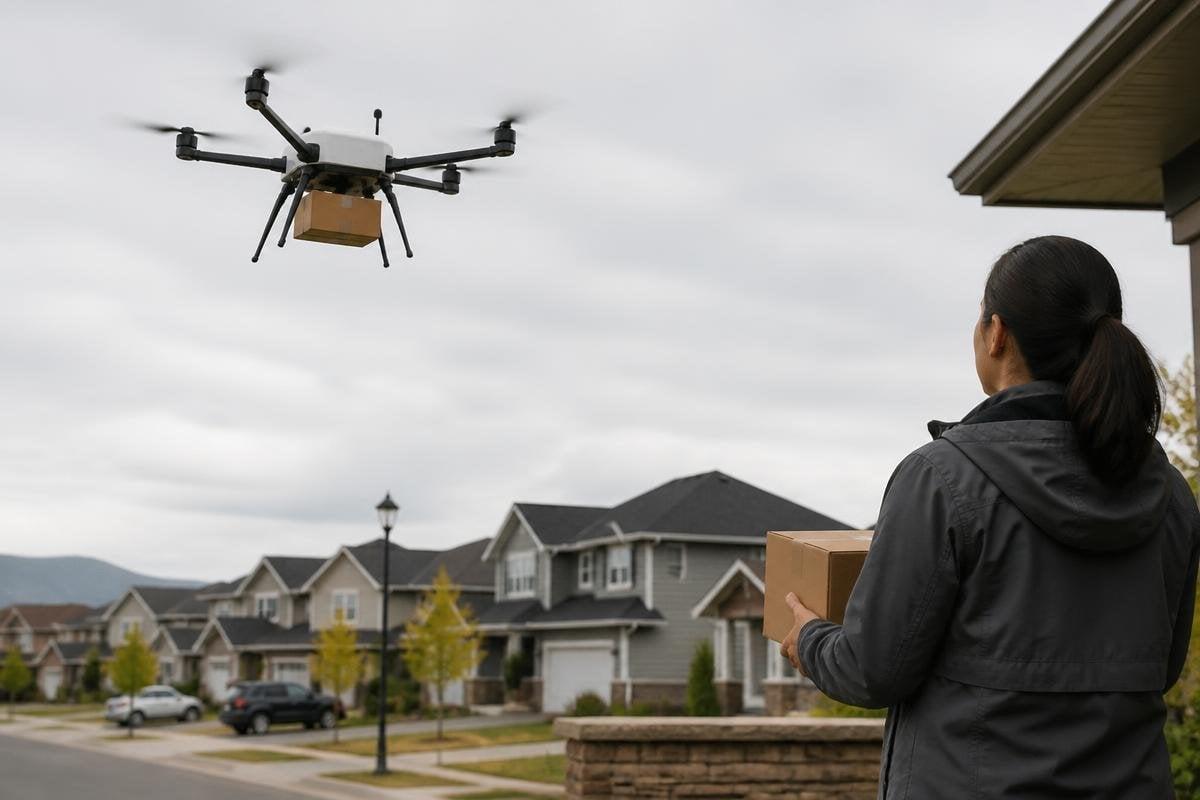
Understanding Human Interface with AI
The advent of artificial intelligence has dramatically transformed how humans interact with technology. The Human Interface with AI facilitates a partnership where AI systems are designed not merely to perform tasks, but to work collaboratively with human users. This section delves into defining key concepts, tracing the evolution of human-AI interaction, and underscoring the importance of user-centered design.
Defining Key Concepts
Human-AI interaction (HAI) focuses on how humans and AI systems communicate, collaborate, and co-operate. Unlike traditional human-computer interaction, which often emphasizes the interface's usability, HAI includes emotional and ethical dimensions, addressing how the integration of AI can enhance or hinder human capabilities and autonomy.
Key definitions in this domain include:
- Human-AI Interaction (HAI): The study of how humans and artificial intelligence systems collaborate, emphasizing trust and interpersonal dynamics.
- User-Centered Design: An approach where design decisions are made with the end-user's needs, preferences, and behaviors in mind.
- Ethical AI: The principle that AI technologies should be developed and deployed in ways that are fair, accountable, and respect user autonomy.
The Evolution of Human-AI Interaction
The trajectory of human-AI interaction has been significant, transitioning from simple rule-based systems to complex machine learning and deep learning frameworks. Early on, AI systems were designed to replicate human decision-making without considering human input or interaction facets. As AI capabilities have expanded, interactions have become increasingly sophisticated, involving conversational agents, virtual assistants, and enhanced learning algorithms that adapt to user behaviors.
In recent years, a notable shift has occurred. AI is no longer relegated to the background; instead, it is positioned as a collaborator in various domains, including healthcare, education, and business. This trend underscores the importance of understanding how humans perceive and relate to these systems, prompting a reevaluation of design protocols and evaluation metrics to ensure they foster effective and ethical interactions.
Importance of User-Centered Design
User-centered design is pivotal in developing effective human interfaces with AI. This approach champions user perspectives and experiences, ensuring that the technology is intuitive and accessible. Involvement of users during the design process can lead to systems that are not only functional but also align with users’ values and expectations.
Key considerations for user-centered design in AI include:
- Involvement of End-Users: Engaging users throughout the design process to gather feedback and iterate on prototypes.
- Understanding Context: Recognizing the specific contexts in which AI will operate to better tailor functionalities and usability.
- Creating Personal Connections: Designing interfaces that allow users to form meaningful relationships with AI systems, ultimately increasing trust and efficacy.
Benefits of Effective Human Interface with AI
Establishing a robust human interface with AI yields numerous benefits that transcend simple usability. By effectively integrating AI systems within human workflows, organizations can unlock new levels of collaboration, decision-making, and operational efficiency.
Enhanced Collaboration
AI's capacity to analyze vast amounts of data and provide insights in real-time empowers teams to collaborate more effectively. A well-designed human interface facilitates communication between humans and AI, leading to a symbiotic relationship where both parties can contribute their strengths. Technologies such as collaborative robots (cobots) exemplify how machines can augment human capabilities, allowing for safe teamwork in manufacturing lines or hospitals.
Organizations implementing collaborative tools report higher innovation rates and productivity, as the burden of routine tasks is alleviated, allowing humans to focus on strategic problem-solving and creative thinking.
Improved Decision Making
Through the effective use of AI, organizations can enhance their decision-making processes. AI systems utilizing machine learning can identify patterns and extrapolate insights from data that may be unobtainable to humans. This capacity for analysis allows for more informed choices, minimizing biases often present in human decision-making.
For instance, in healthcare, AI can synthesize information from numerous patient records and clinical studies to recommend evidence-based treatments, thus improving patient outcomes. The depth of data analysis performed by AI reduces the risk of error and enables practitioners to make faster, more accurate decisions.
Increased Productivity and Efficiency
Implementing an effective human interface with AI can lead to remarkable gains in productivity and efficiency. AI can automate repetitive tasks, streamline workflows, and minimize human error. By harnessing AI for mundane or labor-intensive tasks, organizations liberate human employees to engage in higher-level thinking and creative functions.
For instance, in administrative settings, AI-driven scheduling and document processing tools can dramatically reduce the time spent on logistical coordination, enabling teams to focus more on strategic initiatives and innovation.
Challenges in Implementing Human Interface with AI
Despite its many benefits, establishing an effective human interface with AI is not without challenges. Recognizing and addressing these barriers is crucial to fostering productive human-AI relationships.
Technological Barriers
Integrating AI into existing systems can present several technological hurdles. Concerns about compatibility with legacy systems, data integration, and the reliability of AI outputs can impede progress. Organizations must invest in infrastructure and training to facilitate seamless interaction between humans and AI.
Additionally, ensuring that data privacy and security measures are robust is vital for maintaining trust among users and stakeholders, as data breaches can lead to diminishment of both user confidence and organizational reputation.
User Resistance and Training Needs
User resistance remains a significant barrier to adopting new technologies. Employees may feel threatened by AI systems, perceiving them as competition rather than collaborative tools. Overcoming this resistance necessitates effective change management strategies, including comprehensive training and communication initiatives that articulate the benefits of AI and address concerns about job displacement.
Organizations should provide ongoing training that empowers users to navigate new AI systems confidently, highlighting enhanced capabilities rather than perceived threats.
Ethical Considerations
Ethical implications in human-AI interactions are paramount, encompassing issues of bias, accountability, and transparency. When AI systems are built on biased datasets or opaque algorithms, they risk perpetuating systemic inequalities or making unsafe decisions. Organizations must prioritize ethical considerations throughout the development process to ensure fairness and transparency in AI interactions.
This can be achieved through adopting ethical AI frameworks and involving multidisciplinary teams, including ethicists, to examine the broader implications of their AI systems.
Best Practices for Developing Human Interfaces with AI
To maximize the effectiveness of human-AI interactions, organizations can adopt several best practices during the development and implementation phases.
Focus on User Experience
Creating an intuitive user experience is vital for effective human interfaces with AI. Designers should prioritize user needs and preferences, ensuring that the interface is straightforward and facilitates smooth interactions. Employing user experience (UX) themes, such as consistency, feedback, and usability testing, can help identify and address potential pitfalls early in development.
Iterative Design and Feedback Loops
The iterative design process, characterized by continuous testing and refinement, enables teams to adapt AI systems based on user feedback. Creating a feedback loop that allows users to report their experiences informs future design decisions and fosters an environment where user input shapes technology development.
This process highlights the importance of agile methodologies in AI implementation, allowing organizations to pivot quickly in response to changing user needs or technological advances.
Integrate Accessibility Features
Accessibility should be an integral aspect of designing human interfaces with AI. Ensuring that systems accommodate users with diverse abilities fosters inclusivity and improves overall user engagement. This may involve employing features like voice recognition, customizable interfaces, and assistive technology support that enable all users to benefit from AI applications.
Future Trends in Human Interface with AI
As technology continues to evolve, so does the landscape of human-AI interaction. Identifying emerging trends can help organizations stay ahead and adapt their strategies accordingly.
AI-Powered Personalization
Personalization will play a crucial role in enhancing human interfaces with AI. Future AI systems will leverage advanced analytics to offer tailored experiences for individuals based on their previous interactions and preferences. This level of personalization can improve user satisfaction and engagement, enhancing the overall effectiveness of AI tools.
Voice and Multimodal Interactions
Advancements in natural language processing and multimodal AI interactions, which combine voice, text, and visual cues, will redefine user interfaces. Users will increasingly engage with AI through conversational interfaces, creating a more natural and intuitive experience. Developers will need to focus on context-aware interactions that consider user intent and emotions to refine this experience further.
Cross-Industry Applications
The versatility of AI will lead to its adoption across diverse industries. As the capabilities of AI expand, we may see its integration in sectors such as education, finance, transportation, and healthcare. These cross-industry applications will necessitate adapted human interfaces that consider domain-specific requirements and user interactions, emphasizing the importance of extensible design approaches.
Frequently Asked Questions
What is the human interaction with AI?
Human-AI interaction ensures AI systems enhance human capabilities and promote positive relationships between users and technology.
How is human interface with AI different from traditional HCI?
Unlike traditional Human-Computer Interaction, human interface with AI focuses on dynamic, personalized experiences rather than fixed interfaces.
What are some common challenges in human interface with AI?
Challenges include technological barriers, user resistance, and ethical dilemmas related to trust and security in AI systems.
How can organizations improve human interface with AI?
Organizations can enhance this interface by prioritizing user-centered design, incorporating feedback, and emphasizing the user experience.
What role does ethics play in human interface with AI?
Ethics are crucial in developing AI systems to ensure they are designed responsibly, promote fairness, and do not harm users.