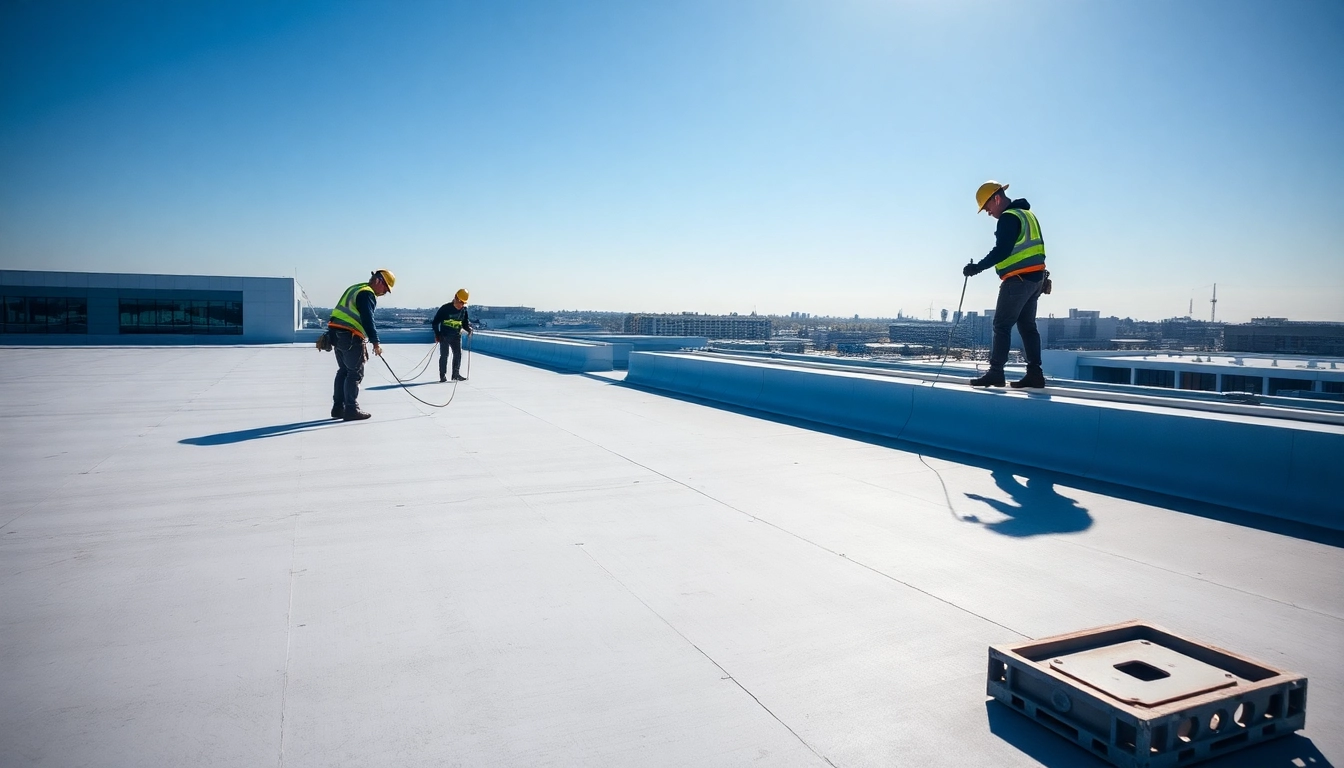
Understanding Commercial Roofing Services
What Are Commercial Roofing Services?
Commercial roofing services encompass a wide range of roofing solutions designed specifically for business buildings and facilities. Unlike residential roofing, which typically focuses on individual homes, commercial roofing deals with larger structures, such as offices, warehouses, retail centers, and industrial facilities. These services can include roof installation, maintenance, repair, and replacement tailored to the unique needs and specifications of commercial buildings.
In today’s competitive environment, businesses cannot afford to overlook the health of their roofs. A well-maintained roof not only protects the building and its contents but also plays a vital role in the overall aesthetic appeal of a business location. Moreover, investing in commercial roofing services ensures that businesses comply with local building codes and regulations.
Types of Commercial Roofs
There are several types of roofs commonly used in commercial construction, each with its own materials, advantages, and unique installation techniques. Some of the most prevalent types include:
- Flat Roofs: Most common in commercial buildings due to their economical design and ease of access. Flat roofs can be covered with materials such as TPO, EPDM, and built-up roofing (BUR).
- Pitched Roofs: These roofs have angles that allow for efficient water drainage. They might be crafted from materials like metal, tiles, or shingles and are commonly seen in buildings that require aesthetic appeal.
- Metal Roofs: These are durable and energy-efficient, often combining steel, aluminum, or copper. Metal roofs are increasingly popular due to their longevity and lightweight attributes.
- Green Roofs: These roofs are increasingly being adopted for environmental benefits. Featuring vegetation, they provide thermal insulation and manage stormwater effectively.
Importance of Professional Installation
The expertise of skilled professionals in the installation of commercial roofs cannot be overstated. Proper installation is crucial for ensuring longevity and performance, as minor miscalculations can lead to severe problems down the line. Professional installers understand the nuances of different materials and their applications, as well as the local climate and regulations. Consequently, they can ensure that roofs are installed in a manner that meets both industry standards and the specific needs of the business.
Choosing the Right Commercial Roofing Material
Benefits of Various Roofing Types
Choosing the right roofing material for a commercial building can significantly impact the building's energy efficiency, maintenance needs, and longevity. Here’s a closer look at the benefits of various roofing types:
- TPO Roofing: Known for its bright white surface, TPO roofing is highly reflective and energy-efficient, which can reduce cooling costs.
- EPDM Roofing: This synthetic rubber material is durable and resistant to UV radiation. Its flexibility makes it suitable for buildings in areas with significant temperature fluctuations.
- Metal Roofing: Offers fire resistance and durability, with many options available that also provide excellent warranties.
- Slate Tiles: Although expensive, slate tiles have unmatched aesthetic appeal and a lifespan of over 100 years when installed properly.
Cost vs. Longevity Considerations
Investing in commercial roofing materials involves balancing upfront costs with long-term benefits. For instance, while a flat roof made from TPO may have a lower installation cost compared to slate tiles, the latter provides a longer service life and could be more cost-effective in the long run. Business owners must evaluate their budgets, the expected lifespan of materials, and the long-term value of energy savings when selecting roofing options.
Selecting Materials Based on Climate
Climate plays a significant role in the selection of roofing materials. For example:
- In hot climates, reflective materials like TPO or white EPDM can help lower cooling costs.
- In regions prone to heavy snowfall, steep-pitched roofs or metallic roofing can efficiently manage snow buildup.
- In areas with high UV exposure, durable materials like metal or concrete tiles can withstand the elements better than others.
Best Practices for Maintenance of Commercial Roofing
Routine Inspections: Why They Matter
Regular inspections are crucial for prolonging the lifespan of a commercial roof. Establishing a maintenance schedule allows businesses to catch potential issues early. During these inspections, roofers can assess the overall condition of the roof, looking for signs of wear, leaks, or damage caused by weather events.
Routine inspections should include checking seams, flashings, drainage systems, and any roof penetrations, ensuring that debris is removed and that the roof remains clear for optimal performance.
Common Problems and Solutions
Commercial roofs can face a variety of issues that, if left unattended, may lead to substantial damage. Some of the common problems include:
- Leaks: Often caused by improper installation or weathering, leaks need immediate attention to prevent further damage. Identifying the source is key, and patching or replacing affected areas may be required.
- Ponding Water: Standing water can create pressure on flat roofs, leading to leaks. Ensuring proper drainage during installation is critical, and periodic cleaning of gutters and drains can mitigate this issue.
- UV Damage: UV rays can deteriorate materials over time, especially on flat roofs. Applying reflective coatings can extend roof life and improve energy efficiency.
The Role of Professional Maintenance Services
Hiring professional maintenance services can alleviate the burden from business owners while ensuring the roof is well cared for. These services offer scheduled inspections, routine maintenance tasks, and emergency repairs. This proactive approach can lead to early detection of issues, potentially saving businesses significant expenses in the future and ensuring compliance with safety standards.
Evaluating Commercial Roofing Service Providers
Key Factors to Look For
When choosing a commercial roofing service provider, certain factors can help ensure you make the right decision:
- Experience: A contractor with a proven track record indicates reliability and expertise.
- Coverage Area: Ensure the provider has experience with local building codes and weather conditions.
- Reviews and References: Check online reviews, testimonials, and ask for references to gauge past performance.
Questions to Ask Potential Contractors
To further evaluate potential roofing service providers, consider asking the following questions:
- What types of roofing services do you specialize in?
- What warranties do you offer on your materials and workmanship?
- Can you provide proof of insurance and licensing?
- Do you have experience with my specific type of commercial building?
Understanding Warranty and Service Agreements
A comprehensive warranty is vital in commercial roofing services to protect your investment. It’s essential to thoroughly understand the scope of coverage, including labor and material warranties. Service agreements should define maintenance responsibilities and expected timelines for inspections, ensuring the roof remains in optimal condition.
Innovations in Commercial Roofing Services
Sustainable Roofing Solutions
As sustainability becomes a priority for many businesses, the roofing industry has adapted by offering eco-friendly options. Green roofs, for example, not only provide insulation but also help manage stormwater and improve air quality. Other sustainable materials include recycled rubber, metal roofing, and solar panels integrated into roof designs, all contributing to reduced environmental impact.
Technological Advancements in Roofing
Technological innovations are shaping the future of commercial roofing. The use of drone inspections allows for quicker assessments and reduces time spent on manual inspections. Additionally, advanced materials such as reflective coatings and self-healing membranes can enhance performance and durability.
The Future of Commercial Roofing Trends
The future of commercial roofing services points towards increased energy efficiency, sustainability, and advanced technology. As businesses strive to reduce their carbon footprints, the demand for innovative roofing solutions will continue to rise, showcasing both functionality and environmental consciousness.