Understanding Cookware: Types and Uses
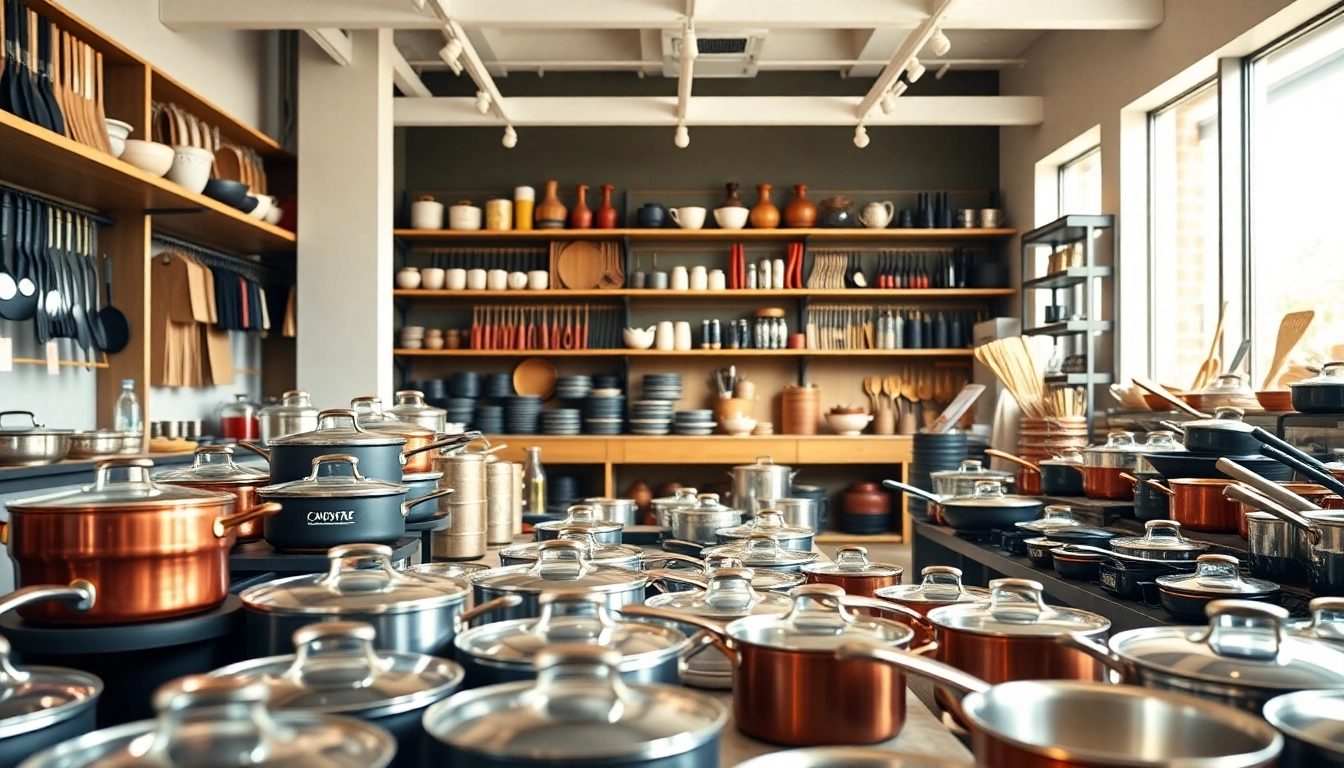
When stepping into the world of culinary arts, selecting the right cookware is essential for both novice and seasoned chefs. The cookware you choose can influence not just the quality of your food but also the overall cooking experience. A reliable cookware shop Auckland features a diverse range of items suited for various cooking techniques and recipes. This section delves into the most common types of cookware, their materials, and their associated uses.
Essential Cookware Types
Cookware is generally categorized based on material, function, and design. Here are some essential types:
- Skillets and Frying Pans: Ideal for sautéing and frying, these have shallow sides and a flat bottom.
- Saucepans: Versatile for boiling, steaming, and making sauces. They typically come with a lid and are essential for any kitchen.
- Stock Pots: Perfect for households that love soups, stocks, and large batches. Their tall and wide design allows for boiling large quantities.
- Dutch Ovens: Heavy-duty pots great for slow-cooking, braising, and baking. They retain heat well and can be used on the stovetop or in the oven.
- Baking Dishes: Designed for oven use, they come in various materials like glass, ceramic, and metal.
- Woks: Essential for Asian cuisine, their high sides and rounded bottom make them ideal for stir-frying and deep-frying.
Non-Stick vs. Stainless Steel
Choosing between non-stick and stainless steel cookware depends on cooking methods and food types:
- Non-Stick Cookware: Coated with material that prevents food from sticking, making it easy to clean. These are ideal for delicate foods like eggs and pancakes.
- Stainless Steel Cookware: Known for its durability and heat conductivity, stainless steel is a go-to for browning and deglazing. It may require additional oil to prevent sticking, but offers longevity and versatility.
Specialty Cookware for Advanced Cooking
For those who wish to elevate their cooking skills, specialty cookware can be a game-changer:
- Pressure Cookers: Help retain nutrients and reduce cooking time by using steam. They are perfect for meats, grains, and legumes.
- Slow Cookers: Ideal for busy schedules, allowing you to prepare meals in advance and slow-cook them throughout the day.
- Casserole Dishes: These come in different materials and are perfect for baking and steaming dishes in the oven.
Benefits of Shopping at a Local Cookware Shop Auckland
Choosing to shop at a local cookware store offers more than just products; it creates an experience tailored to your culinary needs. Here's why shopping for cookware in Auckland can be particularly rewarding:
Personalized Service and Expert Advice
Local cookware shops often provide personalized customer service that can significantly help in making informed decisions. Staff members typically possess excellent product knowledge, allowing them to give tailored recommendations based on your cooking style and needs.
Supporting Local Businesses
Purchasing cookware from a local shop not only supports the local economy but also fosters community relationships. This practice encourages the growth of local entrepreneurs and helps sustain unique shops that you may not find in larger commercial chains.
Access to Unique Local Brands
Local cookware stores often feature exclusive products that reflect the region's culinary heritage. You may find unique designs, locally sourced materials, or artisan cookware not available in mainstream markets.
How to Choose the Right Cookware for Your Needs
With a plethora of cookware options, knowing what suits your kitchen can be overwhelming. Here’s how to make a well-informed decision:
Assessing Cooking Habits and Styles
Your cooking habits play a crucial role in determining the cookware you need. If you frequently prepare meals for large groups, consider investing in larger pots or skillets. Alternatively, if you prefer quick meals, smaller, multifunctional pans may suffice.
Importance of Material Quality
The material of your cookware affects cooking performance directly. High-quality materials distribute heat evenly and resist warping. Investing in reliable cookware can not only time but also contribute to better meal outcomes.
Budgeting for Your Cookware Purchase
It's wise to set a budget before shopping. While quality cookware can sometimes be an investment, consider purchasing key pieces at a higher quality and filling in with more affordable options where necessary. This balanced approach delivers value without compromising performance.
Maintaining and Caring for Your Cookware
Proper care and maintenance are essential for prolonging the life of your cookware. Here are some crucial tips for maintaining your pots and pans:
Cleaning Techniques for Different Materials
Understanding how to clean various cookware materials can enhance longevity:
- Non-stick: Avoid metal utensils, and use a soft sponge with mild detergents to prevent damage.
- Stainless Steel: Use a mixture of baking soda and water to remove stubborn stains without scratching.
- Cast Iron: Rinse with water, scrub with a brush, and dry immediately to prevent rusting.
When to Replace Your Cookware
Knowing when to replace cookware prevents health risks and compromised cooking. Look for signs like peeling non-stick coatings, warped pans, or severe scratches and dents that could affect cooking efficiency.
Storage Tips to Extend Lifespan
Store pots and pans with care to restrict scratches and maintain functionality. Use protective liners or pads to separate nesting cookware, ensuring their surfaces remain intact.
Frequently Asked Questions About Cookware
What are essential items for a basic kitchen?
Essential items include a skillet, saucepan, stock pot, baking dish, and a cutting board. These basics allow for versatility in cooking various dishes.
How do I choose cookware safe for my health?
Look for cookware made of ceramic, stainless steel, or cast iron. These materials are generally free of toxic chemicals found in some non-stick coatings.
Is non-stick cookware really better?
Non-stick cookware is beneficial for low-fat cooking and easy clean-up, but it may not be suitable for high-heat cooking methods. Choose high-quality options to ensure safety.
Where can I find special cookware sales?
Local cookware shops often have seasonal sales and promotions. Sign up for newsletters or follow social media accounts to receive updates.
How often should I replace my pots and pans?
Generally, non-stick pans should be replaced every 3-5 years, while stainless steel and cast iron can last decades with proper care. Inspect them regularly for signs of wear.